
Shining Like Gold
Sometimes the stars just line up. This time those stars are three gold-clad customs that each had their stories start in different eras.
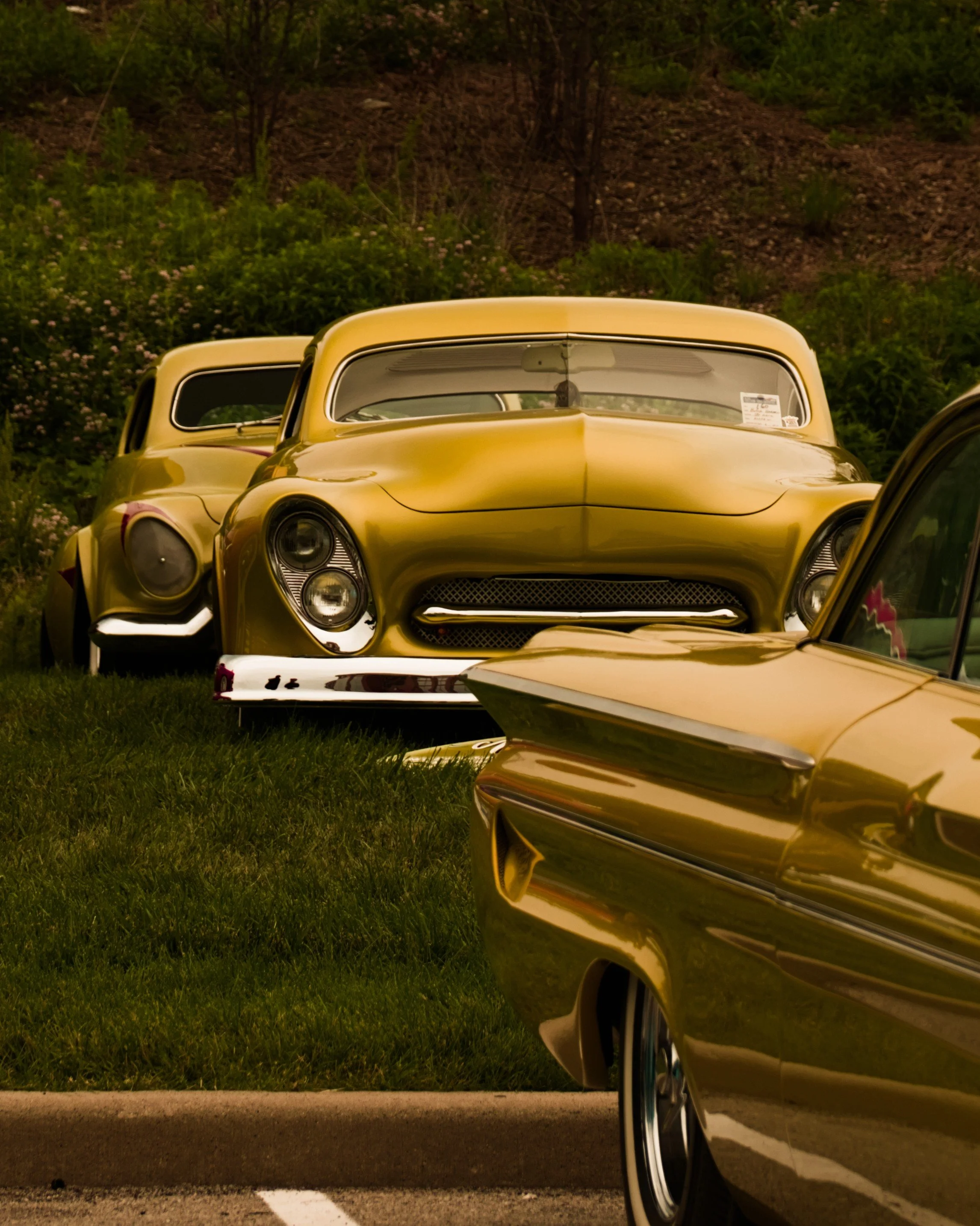
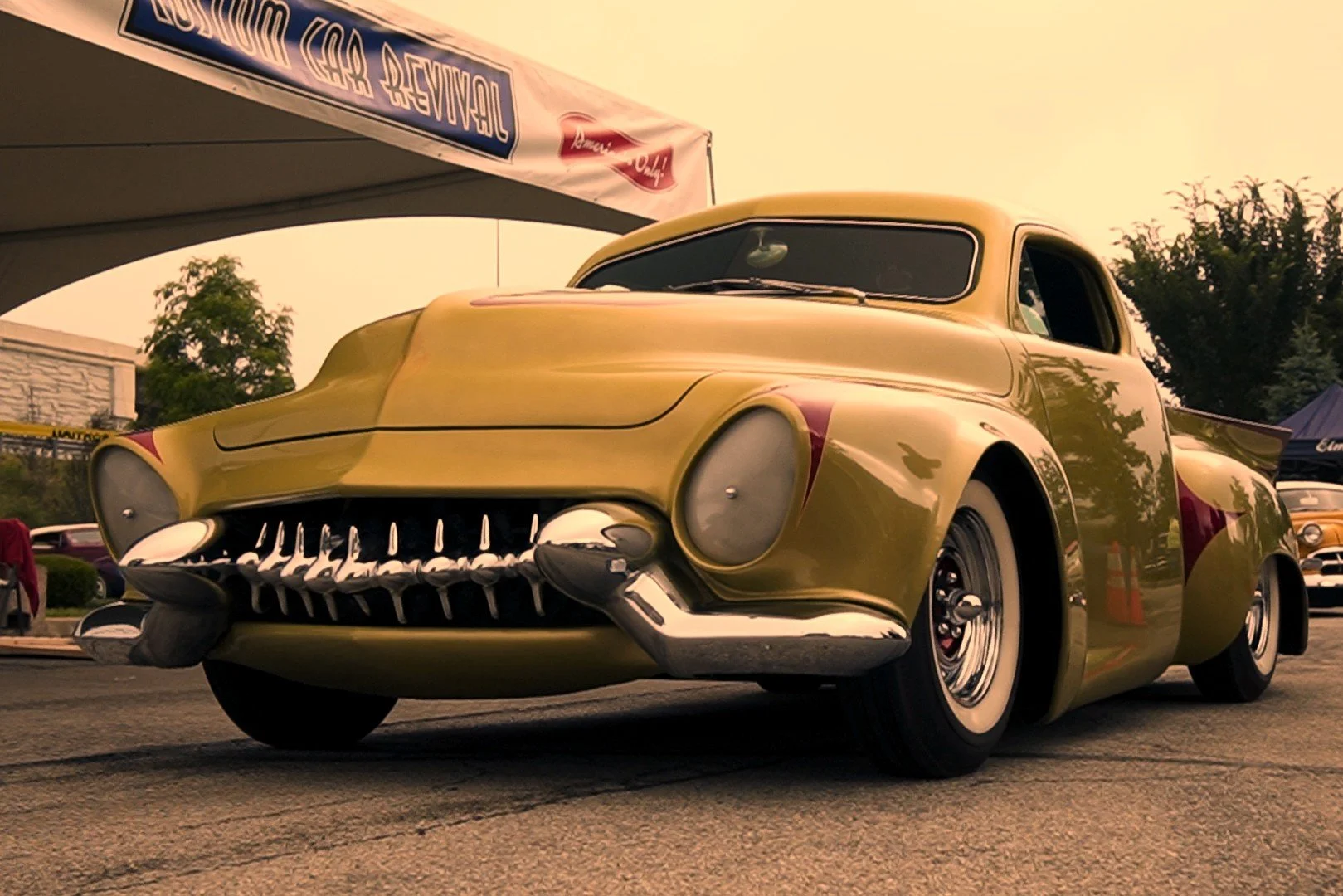
John Saltsman’s “Atomitron” ‘49 Studebaker Pickup found its inception sometime in the ‘80s and was transformed into the mild, yet wild custom you see here.
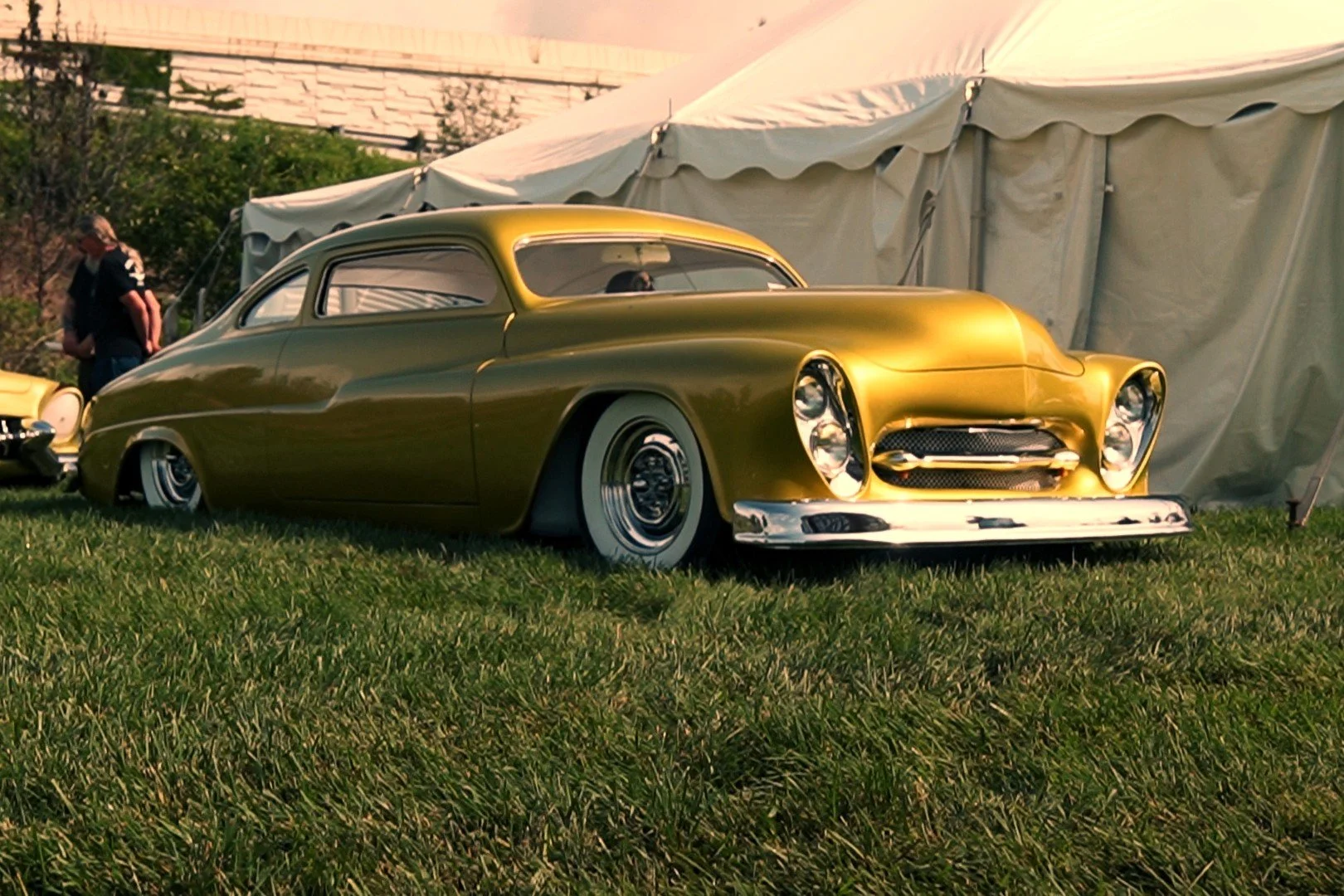
Butch Harness’s “Norma Jeane” full custom ‘50 Merc started its transformation in the ‘90s and was built into this period-perfect piece over the following couple decades.
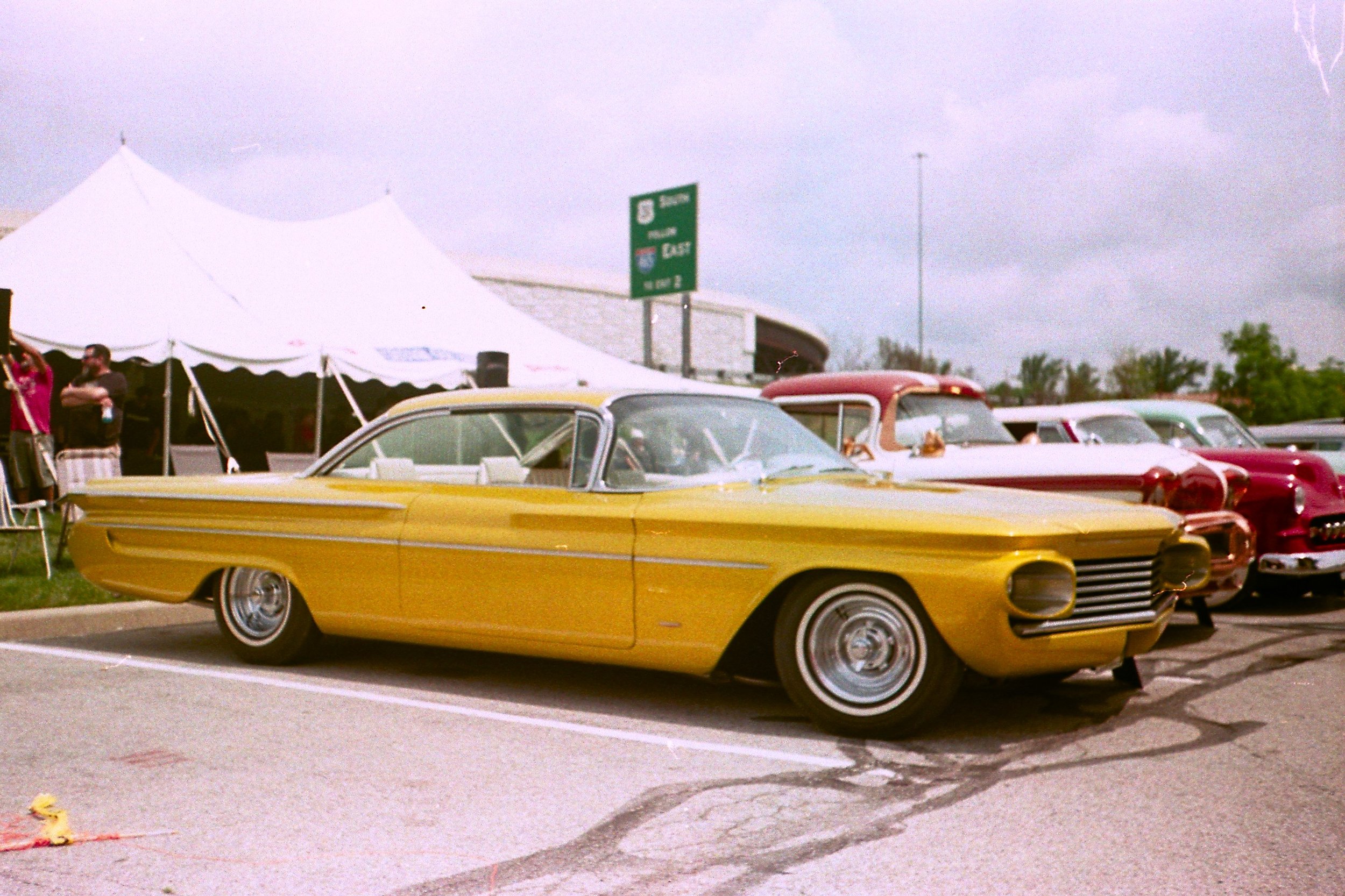
The tried and true original custom “The Golden Indian” ‘60 Pontiac was customized by the Alexander brothers when it was only a year old in ‘61, and had its rebirth after a restoration project by Old Stillwater Garage in the early 2000’s.
Time marches on, but this little group of people dedicated to tradition in building custom cars reminds us all how we got here. This Trio of Traditional Customs is hard evidence of the way things were, and the way they still are if you look in the right places.
The Fordillac: Opportunity, Ingenuity, and Restrained Style
In Lebanon, Missouri, 1953, a man saw potential through wreckage. The story of the car we see here today began with two cars most people would have given up on and a vision to create something unique.
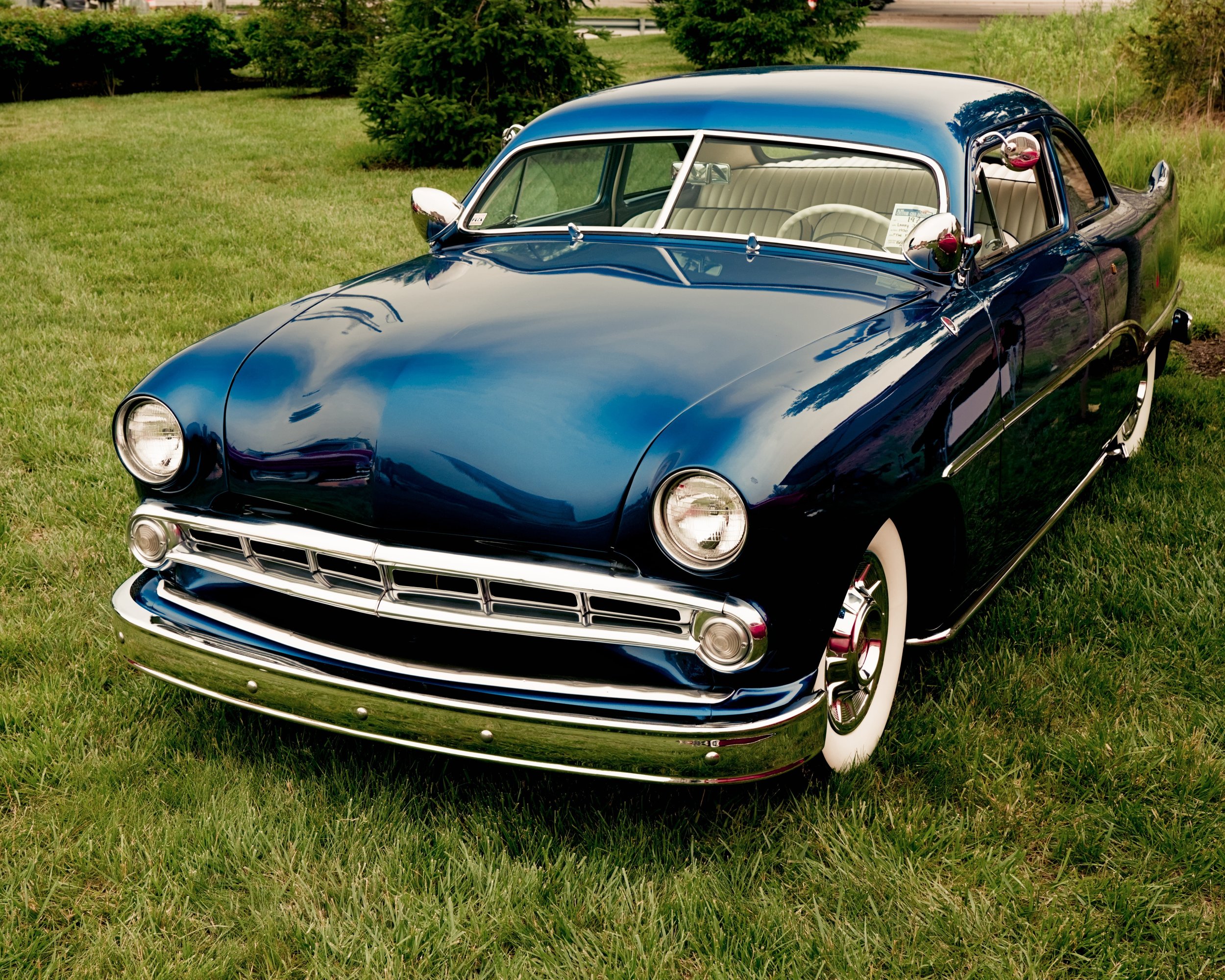
Subtle design choices make this whole car stand out.
Post-war ingenuity and opportunity came together through the mind and hands of Carlos Jenkins. His approach to modifying a wrecked 1950 Ford Coupe was to create something never seen before by integrating a few standout custom touches to a tastefully modified car. The other crash victim, a ‘49 Cadillac donated its tail lamps and surrounding sheet metal to the build, and the lamps and surrounding sheet metal were molded into the rear quarters of the Ford. The most subtle form of the Cadillac tail fin was enough to bring up the style of the coupe’s rear quarters to something that made a car worthy of its own nickname: The Fordillac.
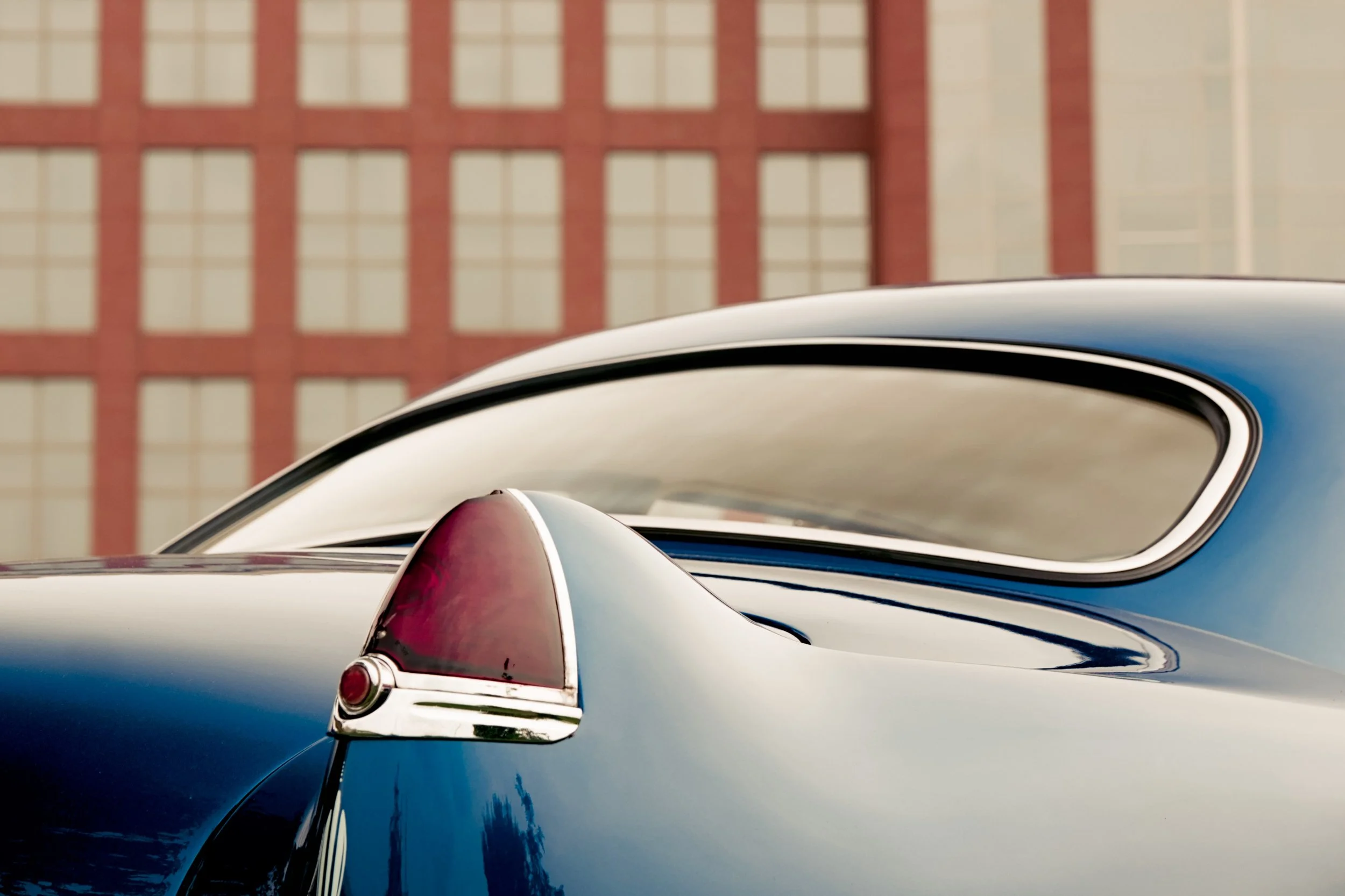
The Cadillac tail lights bring some understated, yet obvious flair to the rear of the car.
At the other end of the car Carlos wanted something else outside the typical parts chosen to fill the grill in customs of the day. The thing about the ‘53 Dodge grill is that it’s the understated, clean lines that grab your attention, similar to the tail lights. He swapped the hood out for a ‘51 Ford part to eliminate the cutout for the bullet that would have been in the original grill.
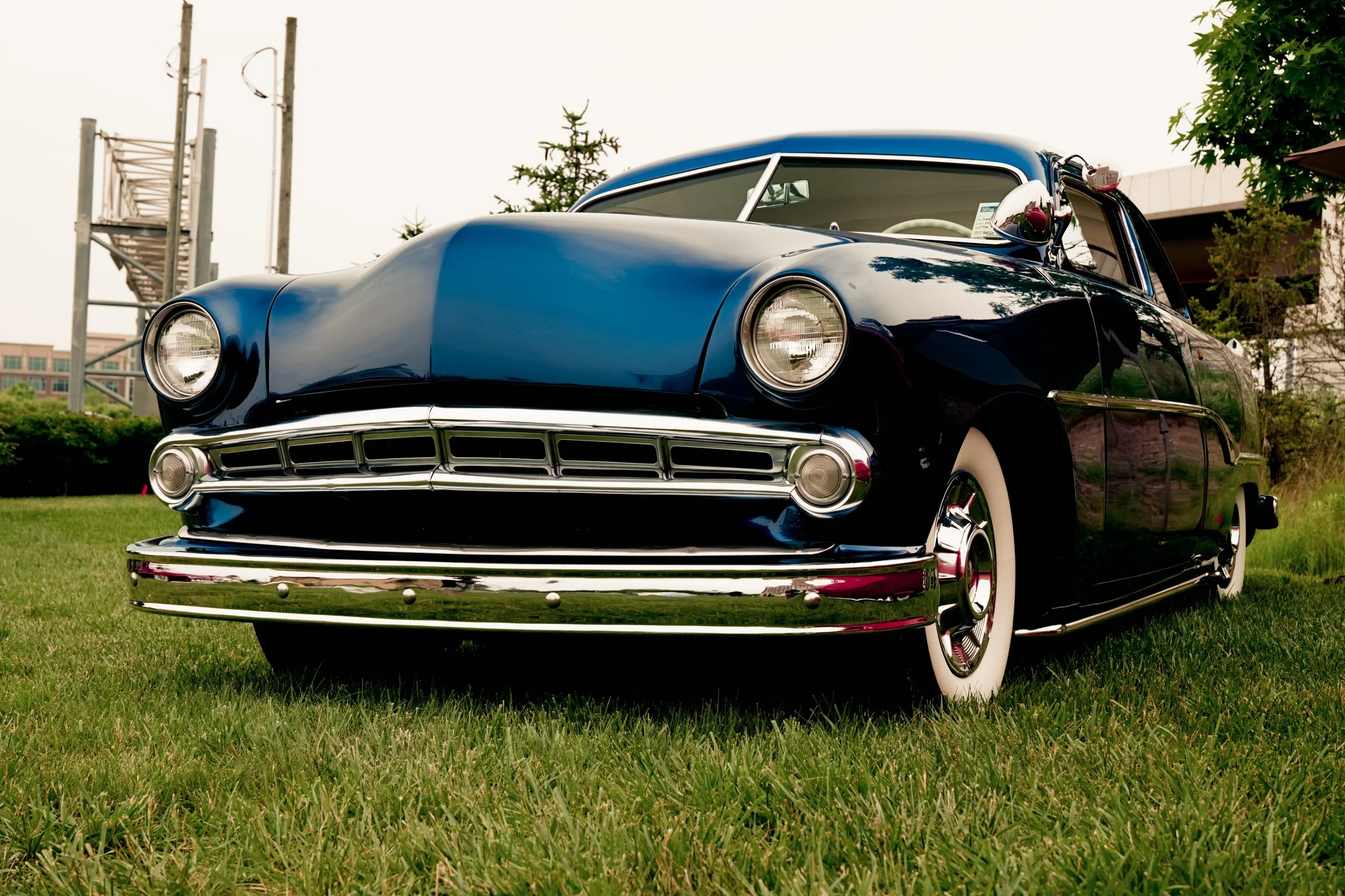
The Dodge grill on full display
The rest of the coupe got the book when it came to customs of that time period. The 3 1/2” chop was done “the Winfield way” as Larry Jenkins, the son of Carlos and current owner and caretaker of the car recalled. The pillars were sectioned, the roof moved down, and a section was fabricated to fill in the middle of the roof. This also gives the roof a bit of a different profile when compared to the standard way most people were chopping shoebox Fords at the time. The headlights were frenched, the hood, trunk, and door handles were shaved, and the car wore a light shade of yellow up front and the roof and rear were painted white.
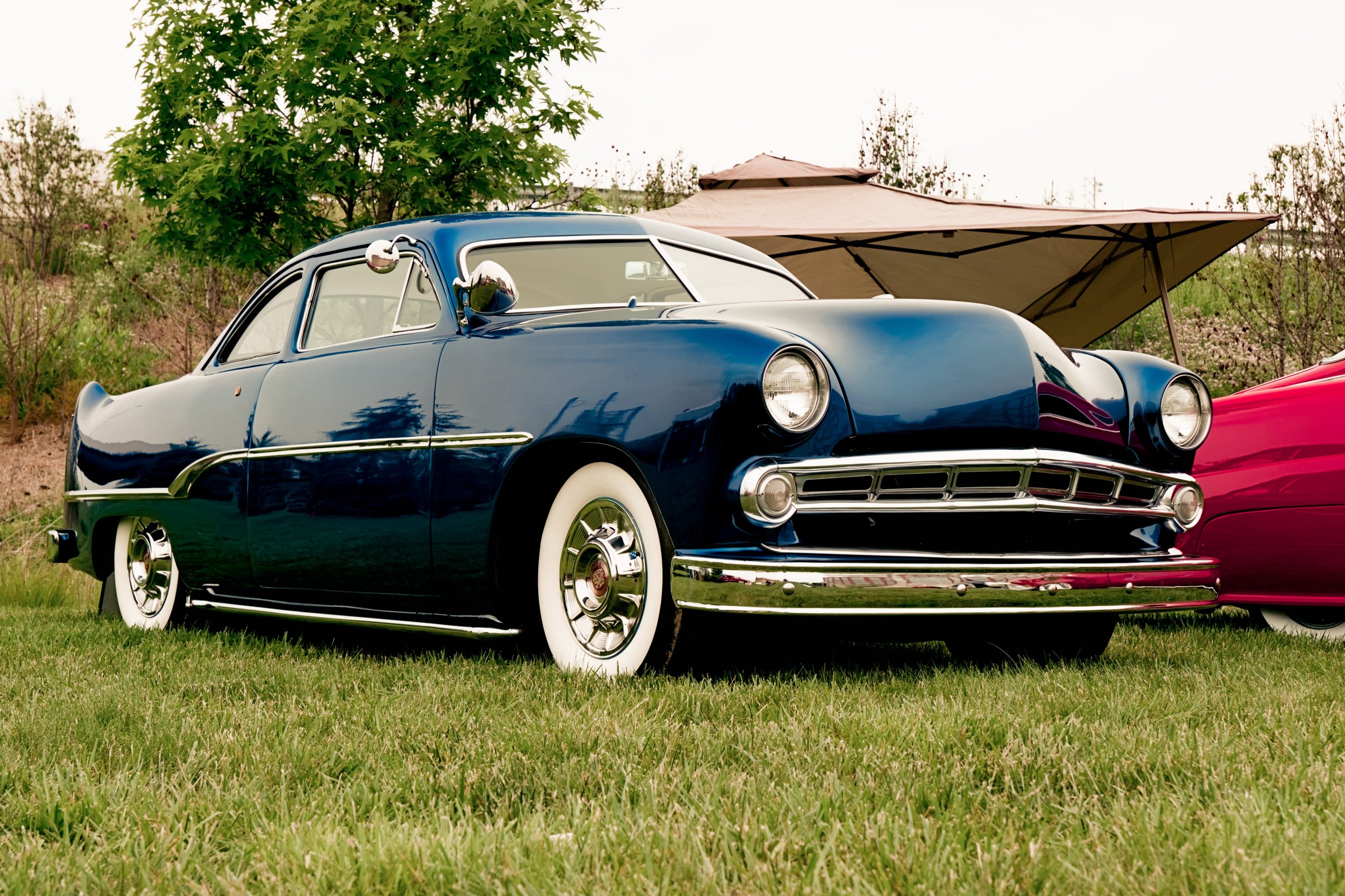
The subtle tail fins, side trim, grille, and chop bring a cohesive style to the car that’s restrained, but will still grab your attention.
Larry, who drove the car when he was in high school in the mid 60’s had the car painted green, and kept all the major body modifications intact. When it comes to a story like this there is a choice between two paths: preservation and evolution. Larry hung onto the car all these years, and managed to pull off a rare combination of both. He had the car blown apart and a top notch paint job laid down in a beautiful shade of blue that keeps with the restrained, but eye-catching theme the car has held since it’s inception back in ‘53. In it’s current form, the blue coupe sports upside-down ‘53-54 Dodge side trim that shows that a unique vision and an eye for overall style runs in the family. It’s the little things that can make or break a traditional custom, and Larry sent it home with the early ‘50s Dodge bumpers, Appleton spots, chrome lakes pipes, tall whitewalls, and ‘57 Cadillac caps.
The Jenkins’ had a few tricks up their sleeves, too. The left tail light flips up to access the fuel filler, the right side tail reflector functions as the trunk release, and the tiny Ford crests just aft of the side doors are actually push buttons to pop the doors open.
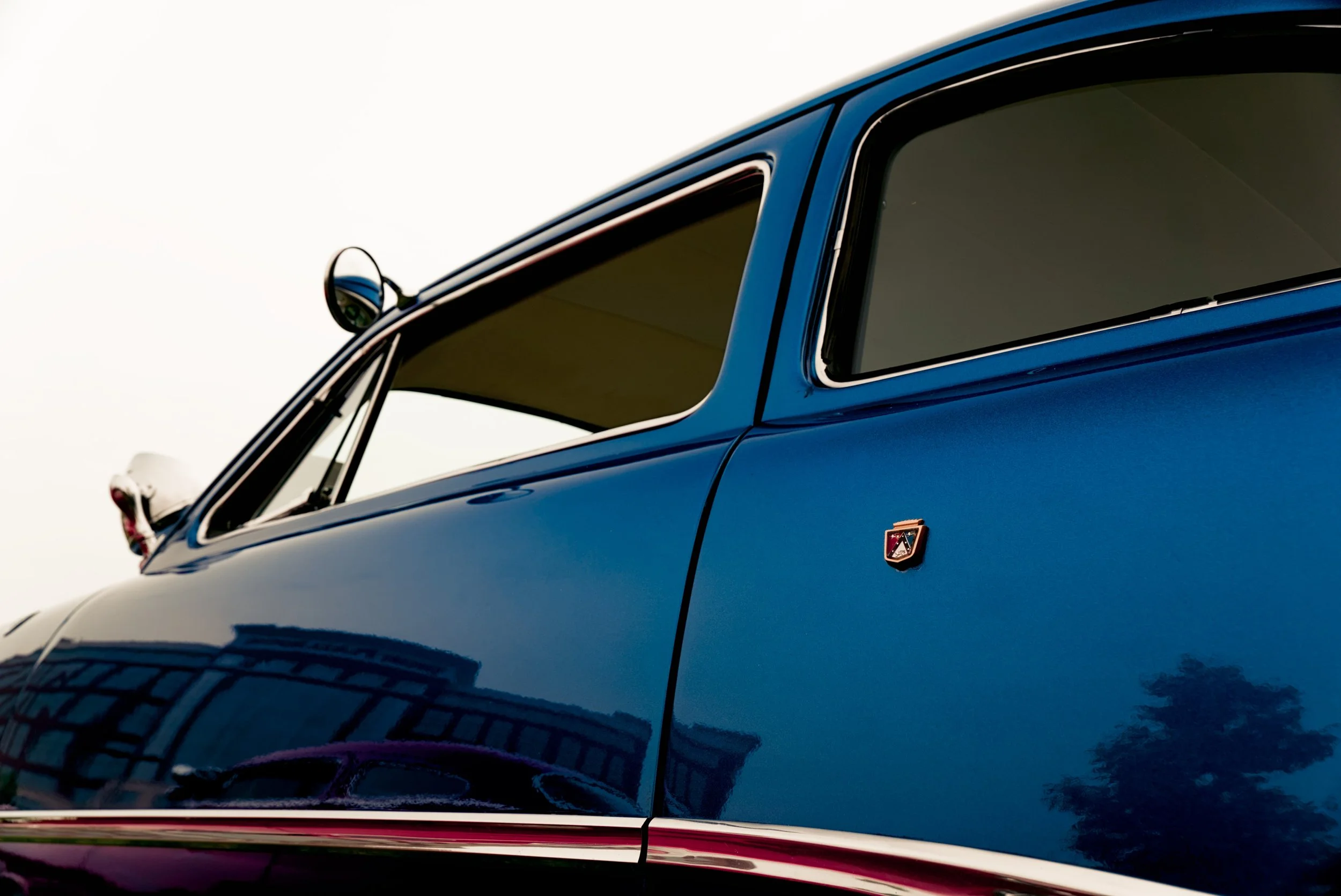
Those door poppers!
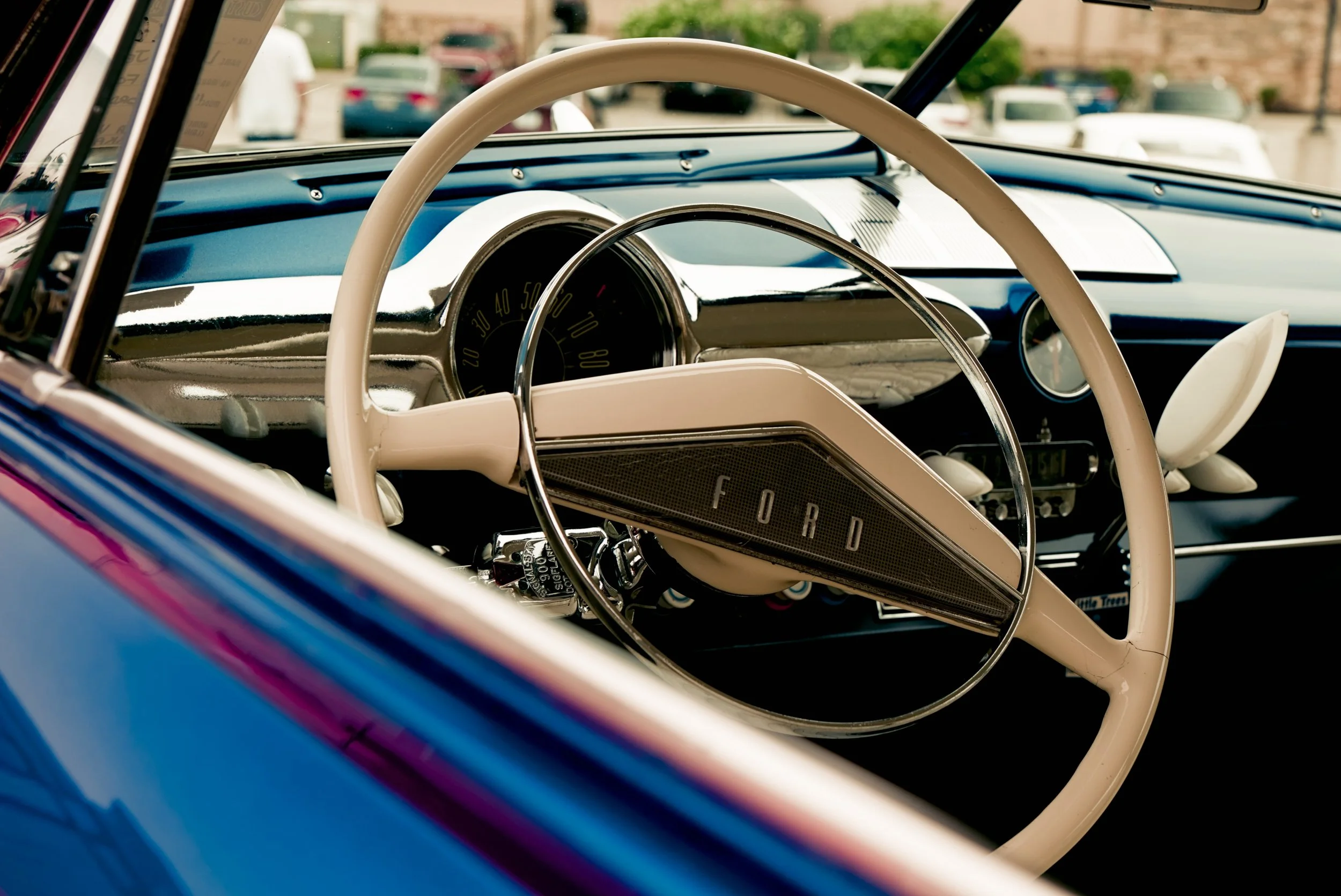
The ‘51 Ford Deluxe wheel brings a bump in style to the interior.
The Fordillac holds stories of a father and son, memories of the way things were actually done back in the day, and a rare combination of ingenuity, opportunity, and a vision for styling that’s subtle, yet outstanding at the same time. This car should show you why builders today are looking back to tradition not just for inspiration, but for a blueprint.
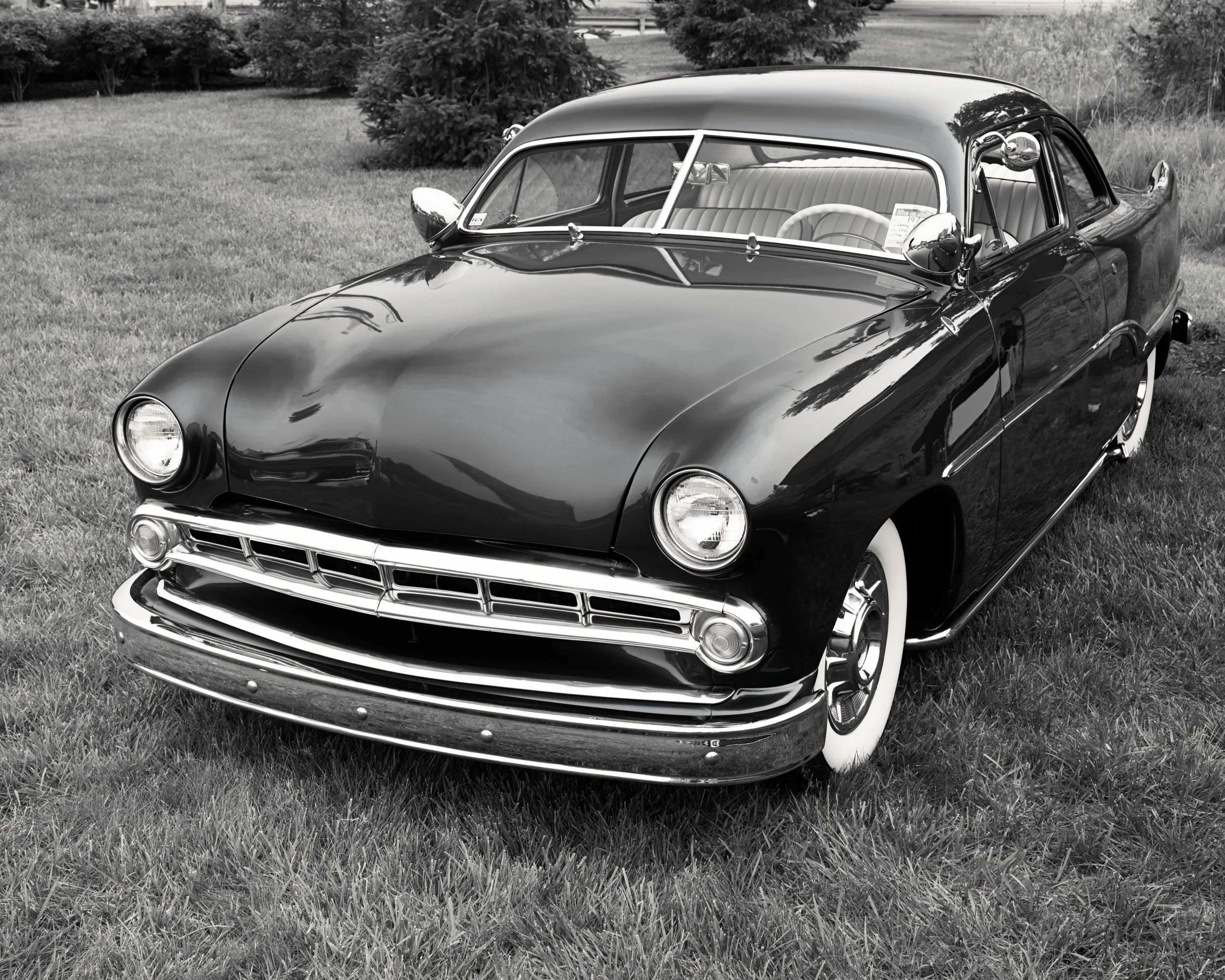
When you take the color away, this could have been an image from the mid 1950s
GM Senior Compact Classics
Looking back, these cars were all pioneers in their own ways. They were ahead of their time. Even if they weren’t understood in their day, they served as test beds for some of the greatest GM technologies we have had our fingers on in this century.
As for me, I like to look at these cars in a bit of a different way. I’ve always thought any one of these models would make for a unique early ‘60’s mild custom or boulevard cruiser. If I had a spot to fill in my garage for one of these, it would have to be the Tempest.
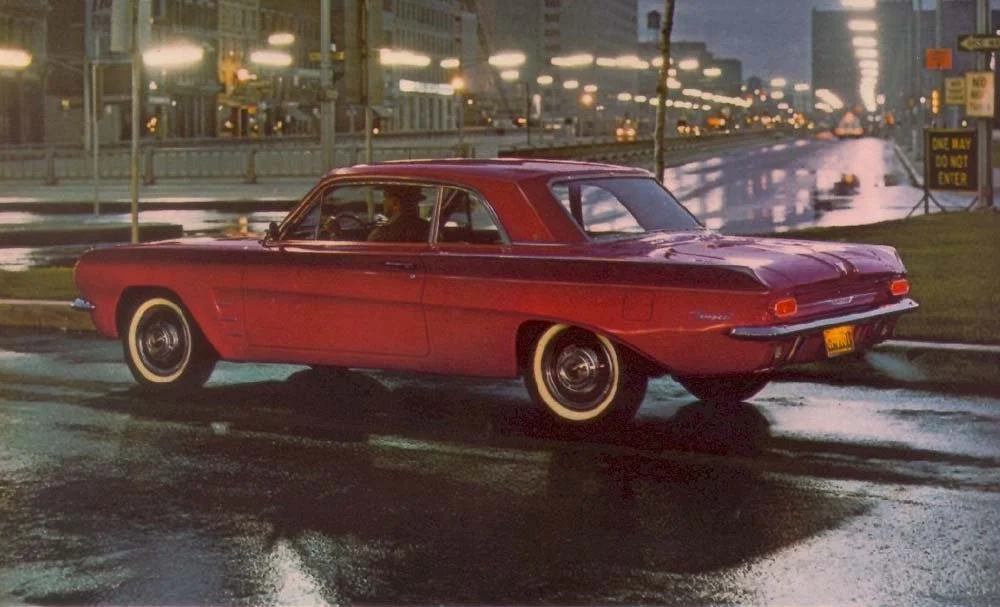
1962 Pontiac Tempest
When I was a kid one of these cars left an impression on me, and the story might surprise you.
My family had moved to a very small rural development of about 6 houses surrounded by farm fields and a large wooded area. My neighbors and I were out exploring the woods one day when they said they had gone farther in than ever before, and there was this old car out there rotting away. I was a car enthusiast from the moment I could pronounce the word, so of course I was down, even if I’d be out of range of my Dad’s “come home” whistle. We stumbled through a spot where clearly nobody had been in a long time until we came upon the rusty hulk of an early ‘60’s Oldsmobile F-85 Convertible. I had read enough of the internet to recognize the aluminum 215 V8 which was sitting proudly in the chassis as the front clip rotted into the earth. The F-85 emblem was still intact on the passenger side of the dash, too. I don’t think I ever forgot this car, and it must have been sitting in the back of my mind until recently when I started thinking about these early ‘60s GM compact cars again.
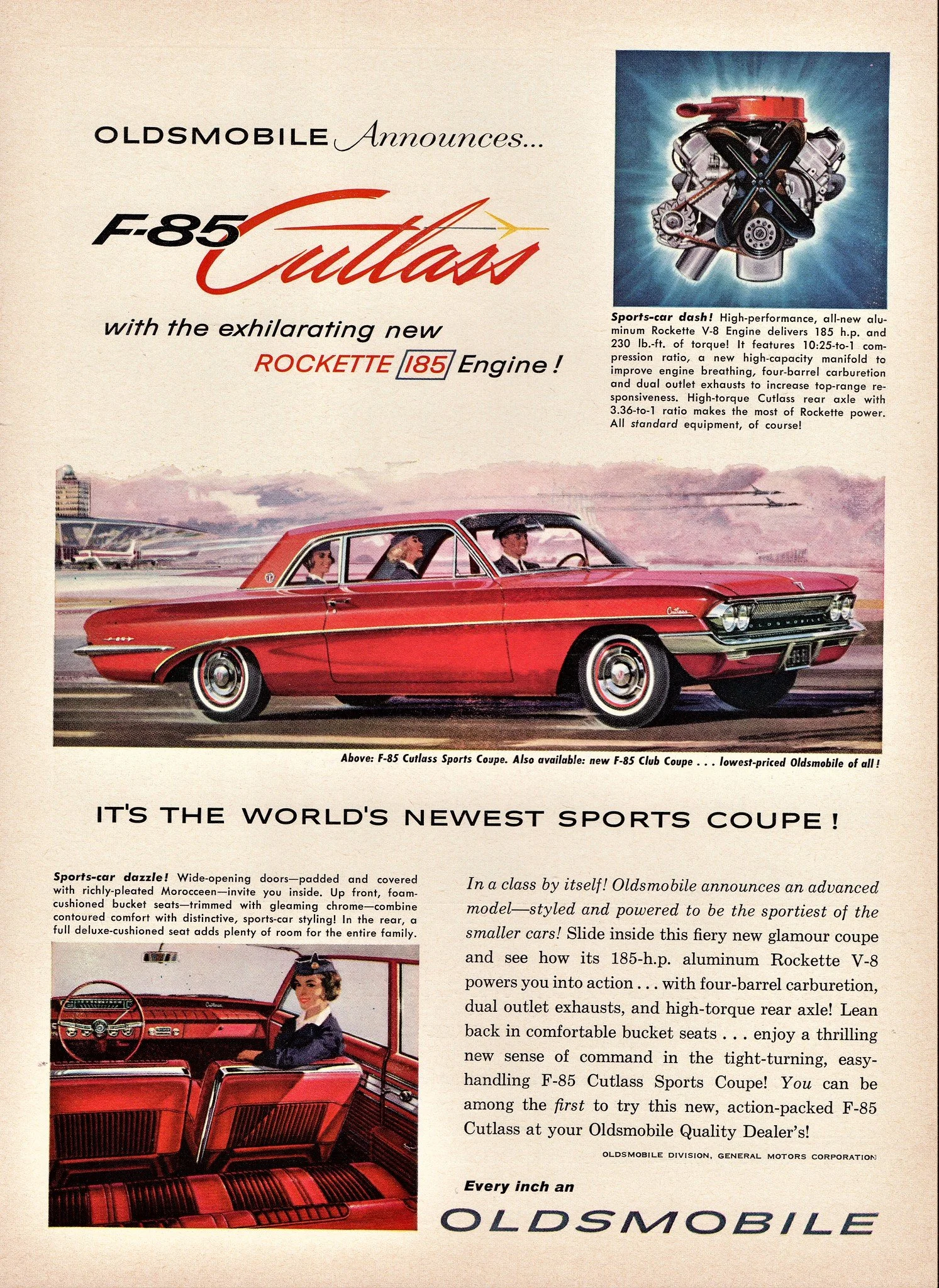
1961 Oldsmobile Advertisement
Known as the “Senior Compacts” for being a little larger and in-charger than the Chevrolet siblings Corvair and Chevy II. Introduced in the fall of 1960 for the ‘61 model year, the fraternal triplets were a little ill-received in their day, and may be all but overlooked this day in age. In a late night Facebook Marketplace scroll session, you might mistake one of these for their big car siblings without any context.
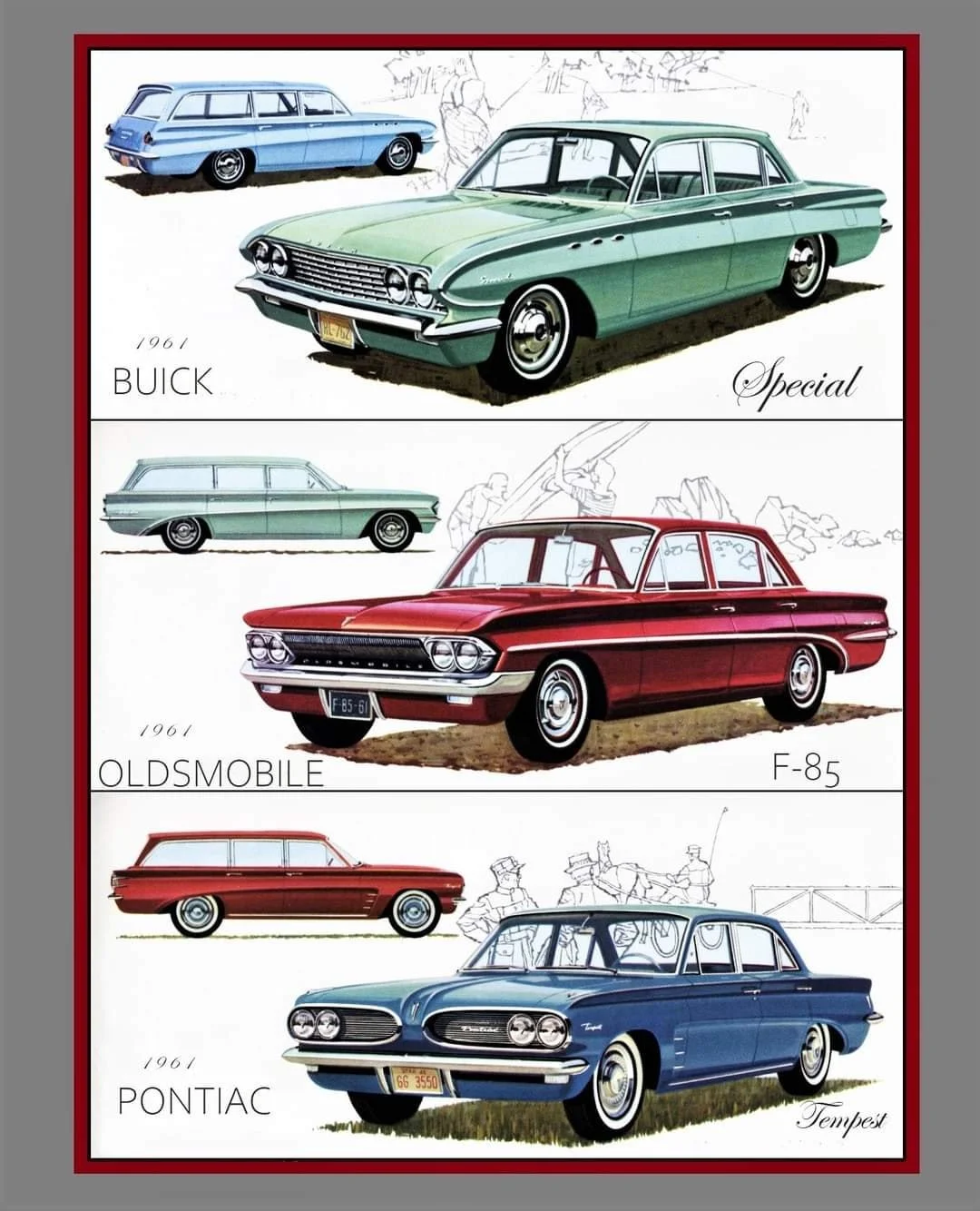
You can see clearly in this image how the doors and roof were the same across the three different models.
The styling on these cars reflected that of the aforementioned bigger GM siblings of the day, but interestingly enough, the three models all shared a roofline, glass, and door stampings. They also shared some inner structure with the Corvair. The front and rear sheetmetal made each one unique, and gave them their own visual personality, even if the general public had a hard time telling them apart in the ‘60’s. In ‘63, the cars got a much more boxy, contemporary styling treatment, and in my opinion, lost some of their charm. The early model years were styled, yet understated. The sweeping lower body line that shaped the rear wheel opening just really does something for me. Their understated little tailfins and the rooflines that mimicked the larger sedans and coupes all come together into a handsome little package.
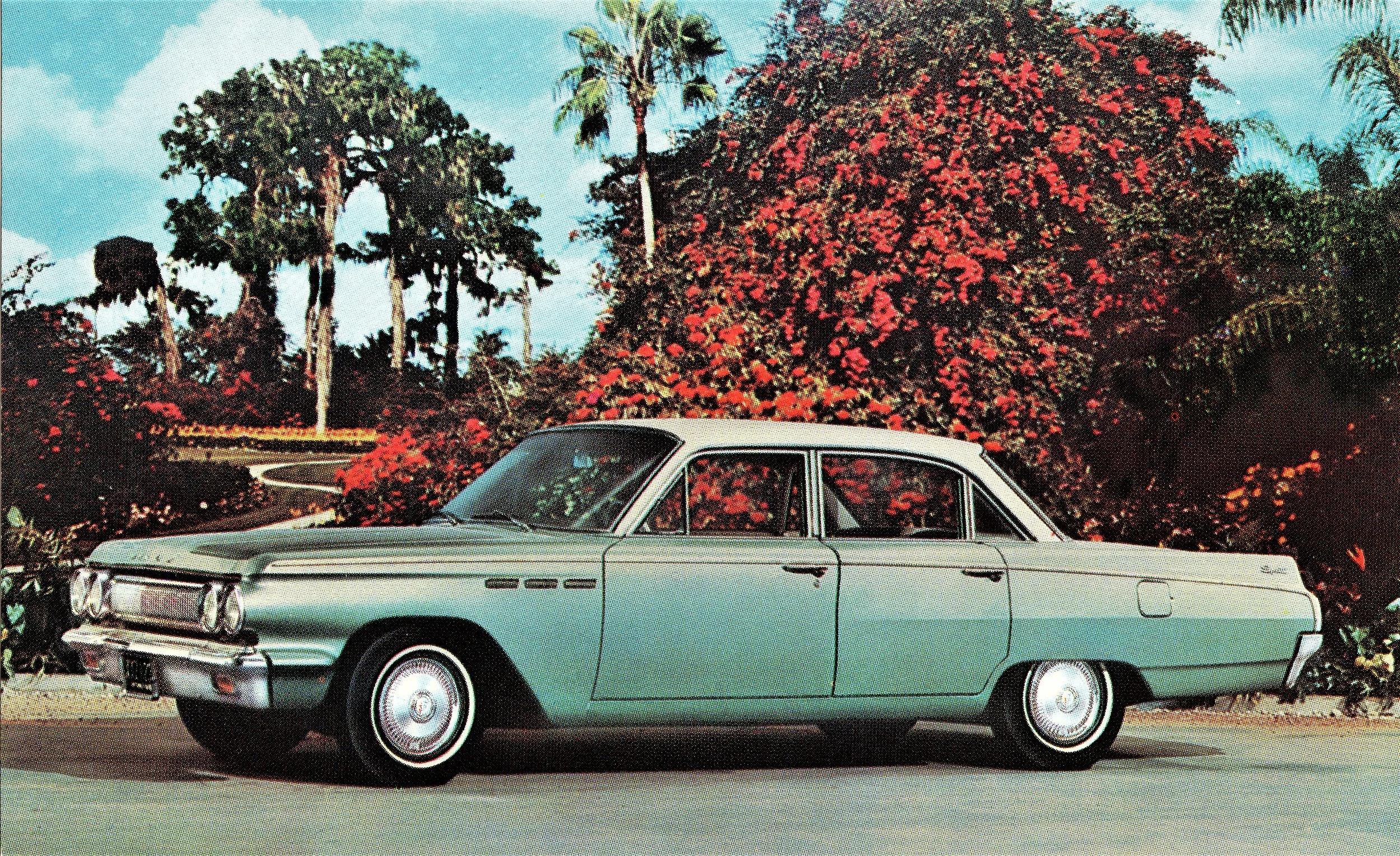
A 1963 Buick Special exhibiting the boxier styling for the model year.
Their personalities were more than just skin deep. I’m just gonna come out and say it, OK? I like the Tempest the most. It’s just too weird to ignore, and that’s the kind of guy I am. The Tempest came standard with an engine Pontiac called the Trophy 4, which was essentially only the right bank of cylinders of their larger 389 V-8 available in the large barges. The engine displaced 194.5 cubic inches, and made anywhere from 110 to 166 horsepower. The upmarket Tempest models used the same 215 aluminum V-8 as was available in the Buick, but in ‘63, an engine known as the “336” (which actually displaced 326 cubic inches) replaced it. This larger V-8 was based on the big car engine and was a test bed that paved the way into the impending muscle car era as the Tempest/LeMans moved to a larger, more conventional Chassis in ‘64.
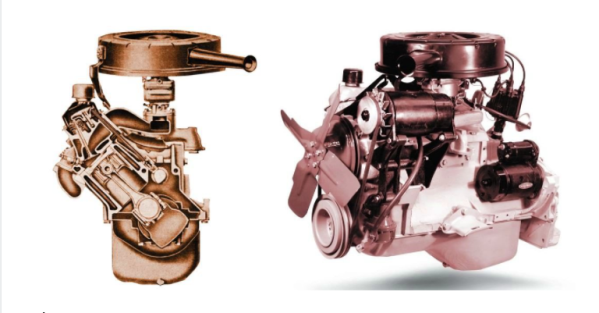
Pontiac Trophy 4 engine
Also notable about the Tempest was its unique driveline arrangement. The “Rope Drive” as Pontiac called it, or the flexible driveshaft as a lot of people know it, was essentially a torque tube with a small-diameter driveshaft bent in an arc that was designed to eat up the torque pulses from the vibration-happy slant-4 white also having a flat floor inside the passenger compartment. The Corvair-derived transmission was mounted in the rear and utilized a swing axle independent suspension akin to early Volkswagens.
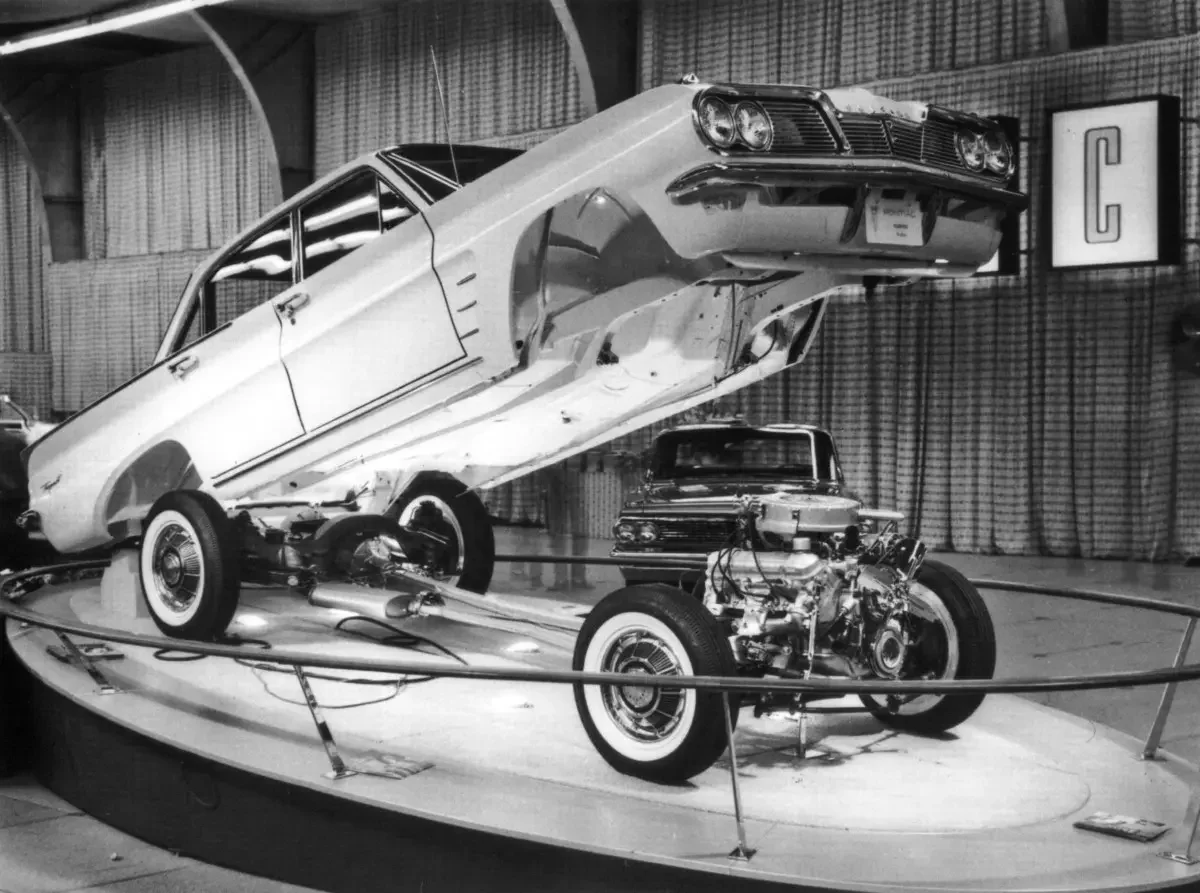
This unique display shows the unconventional driveline arrangement of the Tempest.
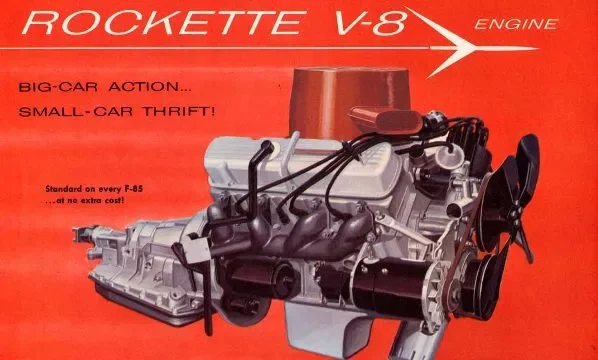
The Oldsmobile version of the 215 aluminum V-8
The Pontiac wasn’t the only one with tricks up it’s sleeves. The Buick and Olds had their own things going on.. While they both shared the basic 215 cubic inch aluminum V-8, each division used their own unique cylinder heads, camshafts, and induction setups to differentiate themselves from the other. The Oldsmobile version was known as the “Rockette V-8.” In ‘62 and ‘63, they were putting boost to the little 215 in the Jetfire model. The Jetfire’s claim to fame was one horsepower per cubic inch, which was quite the mark to hit in its day. Being one of the first production cars equipped with a factory turbocharger, it faced a few issues. To keep cylinder temperatures down there was a special tank that held “Turbo Rocket Fluid” which was fed into the intake tract to produce a cooling effect.

The Turbo-Rocket Engine
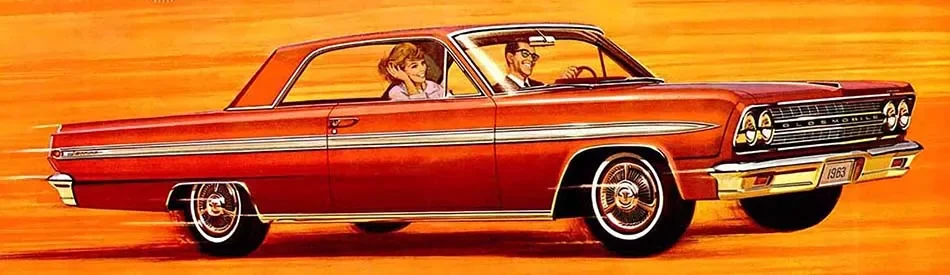
The 1963 Olsmobile Jetfire Sport Coupe
Buick was the design leader for the 215 aluminum V-8. Eventually this engine would produce 200 horsepower with a 4-barrel carburetor and an 11:1 compression ratio by the end of its run in 1963. In 1962. This engine would later be bought by Rover and stay in production across the pond for decades to come. The stripper model Buick Special got America’s first V-6 available in a passenger car. The little V-6 known as the “Fireball V-6” was the 215 V-8 without two of its cylinders. The unusual 90-degree bank angle of the Fireball V-6 engine gave it a distinctive sound. You probably know this engine as the odd-fire V-6. It would eventually be refined into the Buick V-6 that we have all had experience with in one way or another: the venerable “3800” V-6.
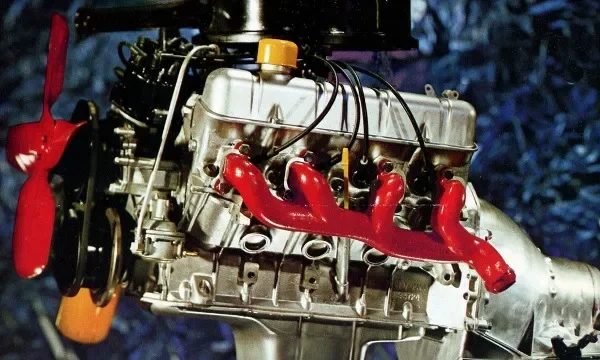
Buick’s all new for ‘61 all aluminum 215 V8
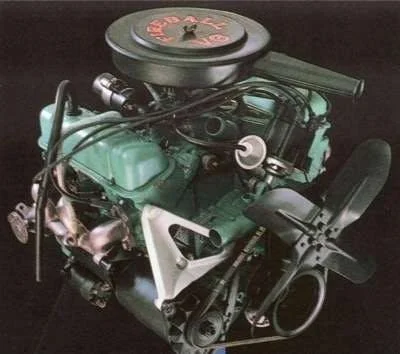
The Buick Fireball V-6
Looking back, these cars were all pioneers in their own ways. They were ahead of their time. Even if they weren’t understood in their day, they served as test beds for some of the greatest GM technologies we have had our fingers on in this century.
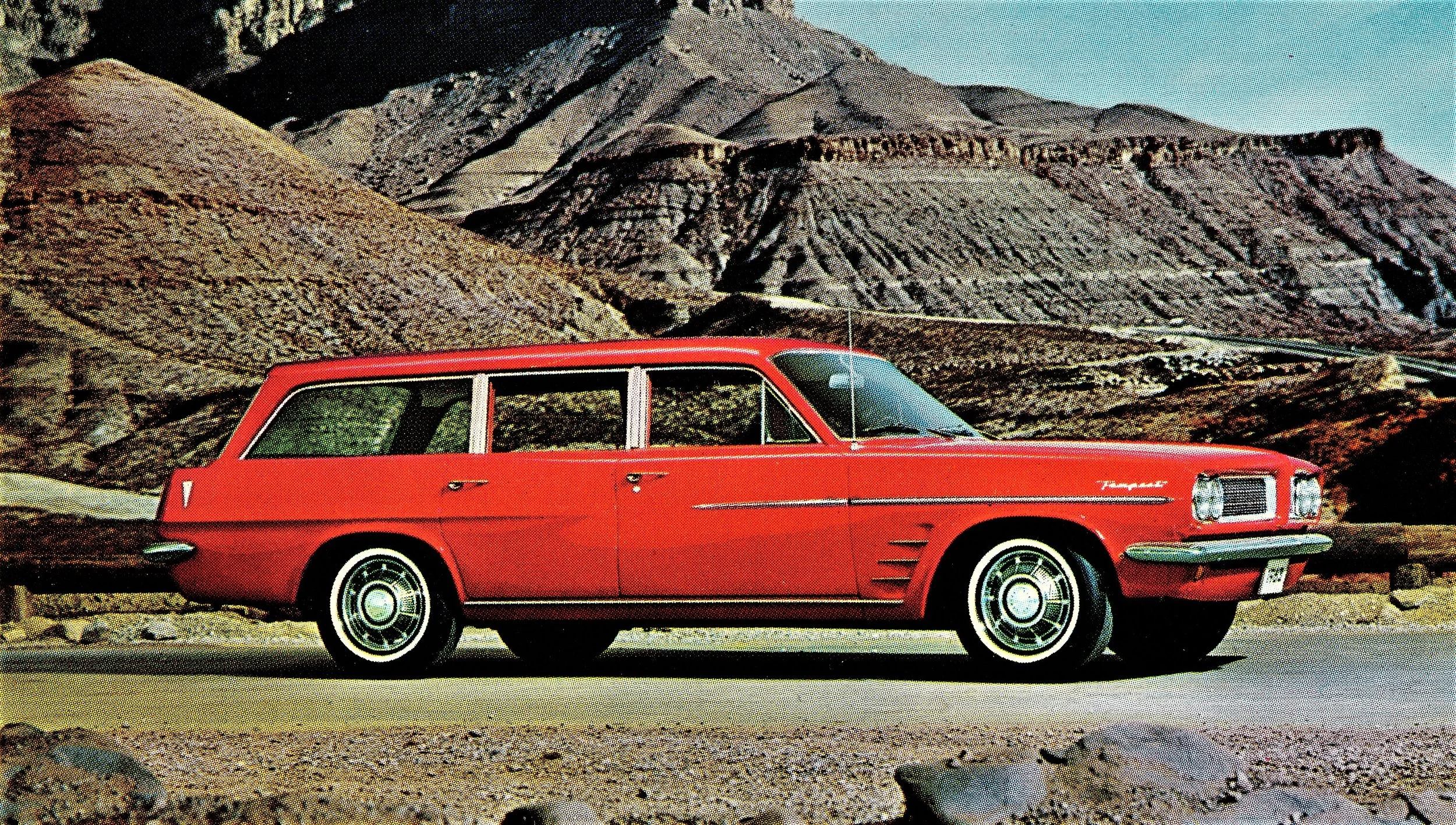
1963 Pontiac Tempest Wagon
As for me, I like to look at these cars in a bit of a different way. I’ve always thought any one of these models would make for a unique early ‘60’s mild custom or even just a cool old daily driver. If I had a spot to fill in my garage for one of these, it would have to be the Tempest. I said it earlier, but they’re just too weird for me to ignore. Give me a ‘61-’62. Take a few of the styling elements for example: the front end echoes the wide track styling of the big boy Poncho, and the baby tailfins, the cove in the body side that starts in the front fender, they all just do something for me. If you pulled up in one of these compacts, you’d stand out from the usual custom crowd without a doubt. Give it a healthy drop, some bellflower tips, and some of those pointy late-50’s Plymouth caps and skinny whites… we might be onto something here.
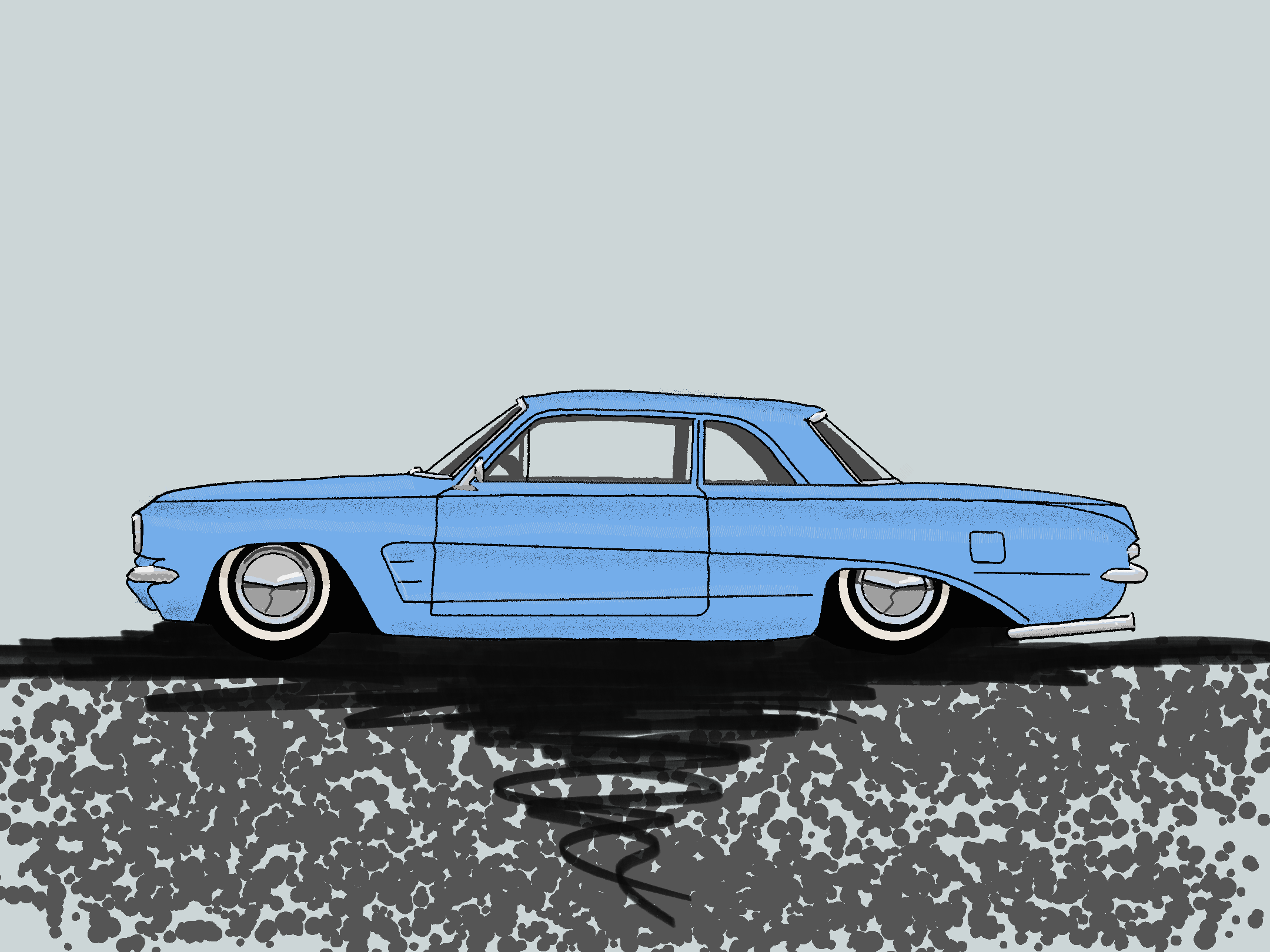
My art concept for a mild custom based on an early ‘60’s Tempest
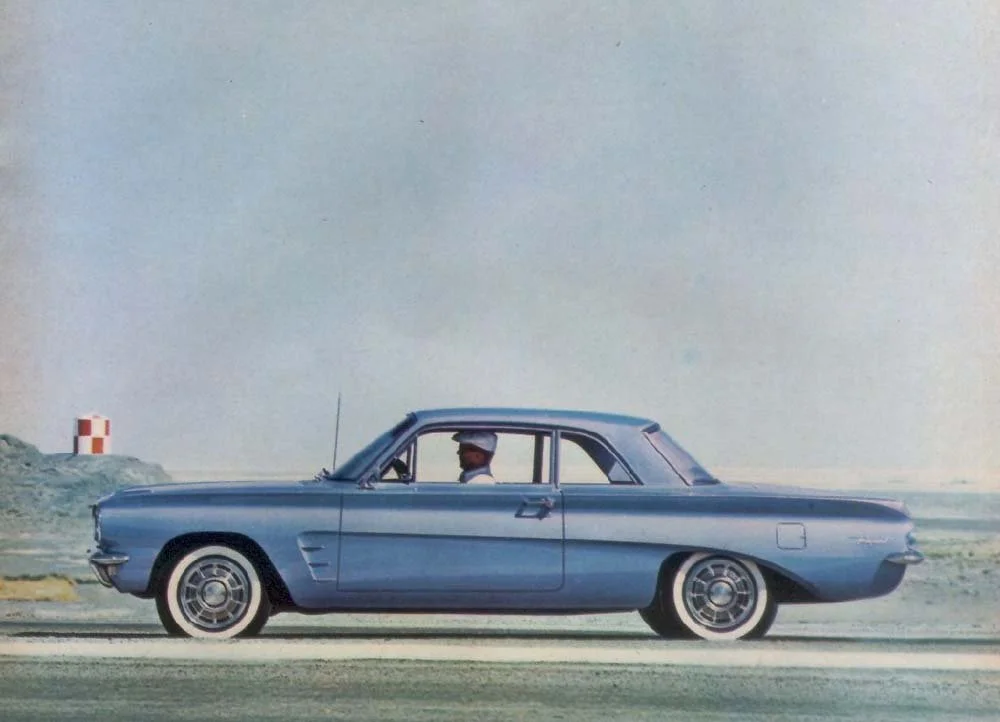
A box stock Tempest
A Local Sport Custom
Clyde’s Ride
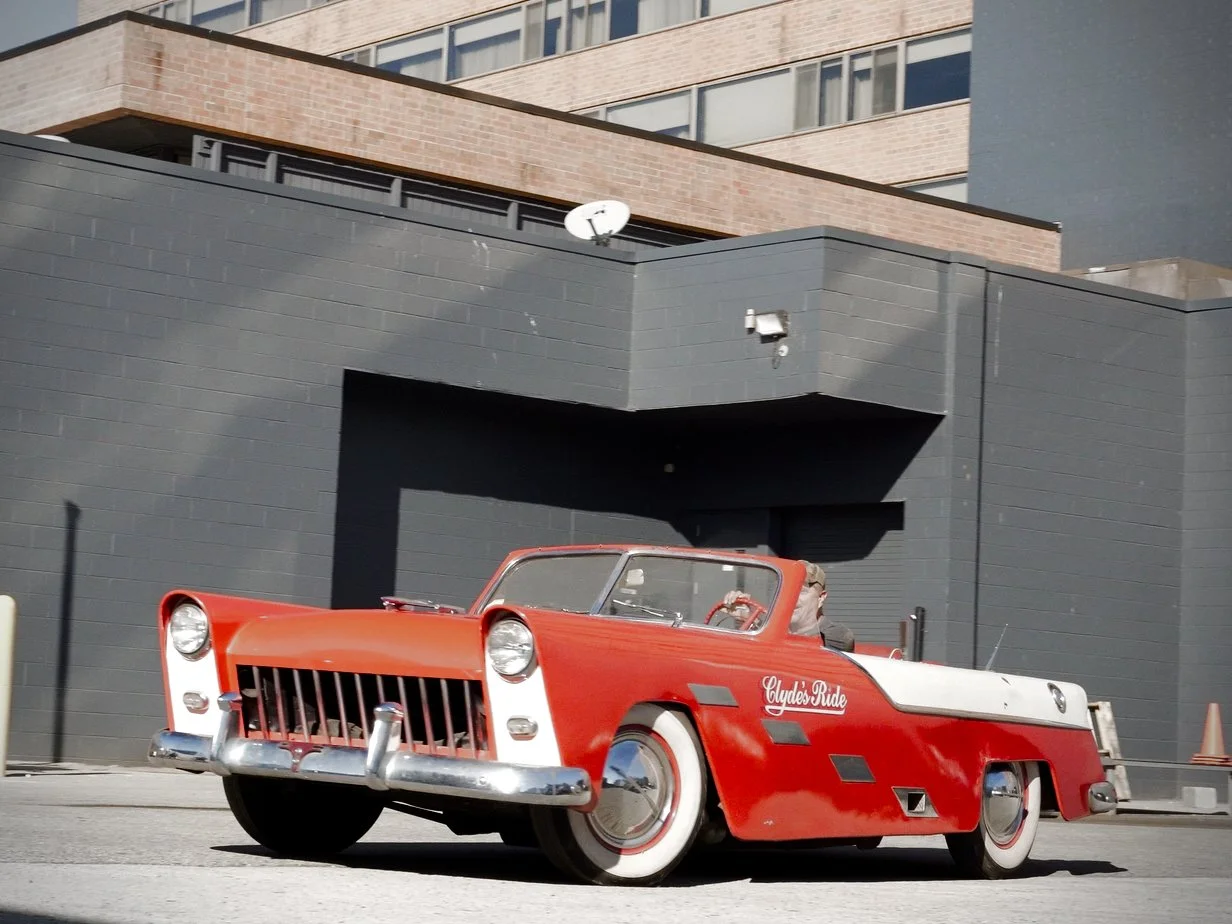
Clyde’s Ride is one of a kind. Some might call it a sport-custom, some a hand built-special. I just call it cool! Officially, the car is titled as a 1955 Assembled Convertible.
The build didn’t start in ‘55 though, we gotta hit rewind all the way back to 1950. Clyde Poll was just a high school kid when he started assembling the car from a smattering of car parts. He’d later go on to start a boat manufacturing company with his father in 1954, the year after graduating Holland High School. Clyde’s boat building career influenced the way this car was put together in the end, so read on!
Over the course of 11 years, Clyde put together his ride piece by piece while he worked building boats in the family business. The body is handmade steel and the hood and decklid are made of wood and fiberglass using a boat construction method. Under the skin is a 1937 Dodge chassis holding onto a hopped up flathead inline 6 and a ‘39 Plymouth transmission.
From the driver’s seat you’ll be peering past the Pontiac steering wheel out over the hood through a windshield from a ‘48 Buick. You can row gears while you hang onto the Hamm’s Beer shift knob.
The electrical system uses a toggle switch an push button setup housed in a custom polycarbonate fuse panel, another boat-building trick. Pontiac tail lights and ‘56 Dodge lancer antennas round out some of the exterior details.
The car has no doors, so the chrome parallelogram trim pieces on each side actually a disguise a step so you can hop over the side to get into the car.
The old photos of the car were graciously provided by its current owner and caretaker, Al Larsen of Creekside Garage in Grand Marais, Michigan. Sadly, Clyde passed away in 2021, but the car is in great hands with Al. I hope to do more around this car in the future in collaboration with Al as well.
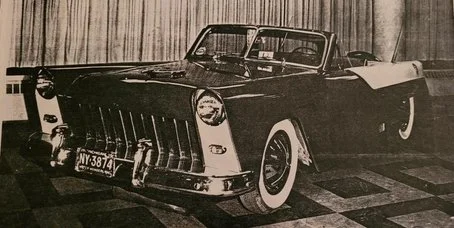
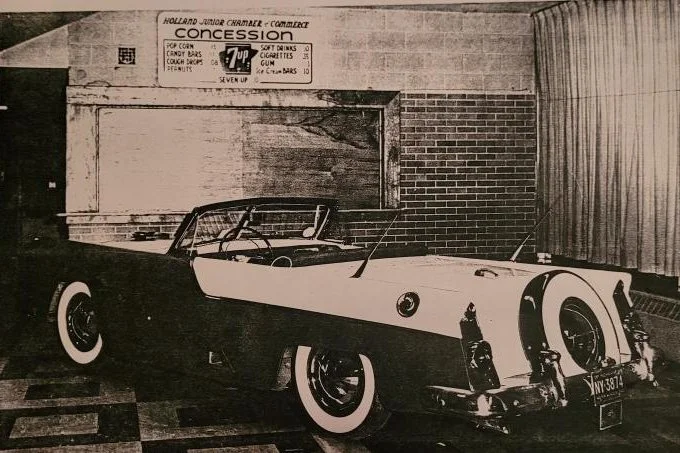
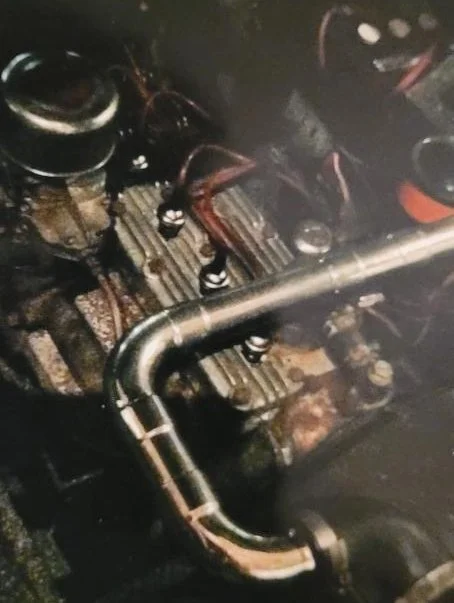
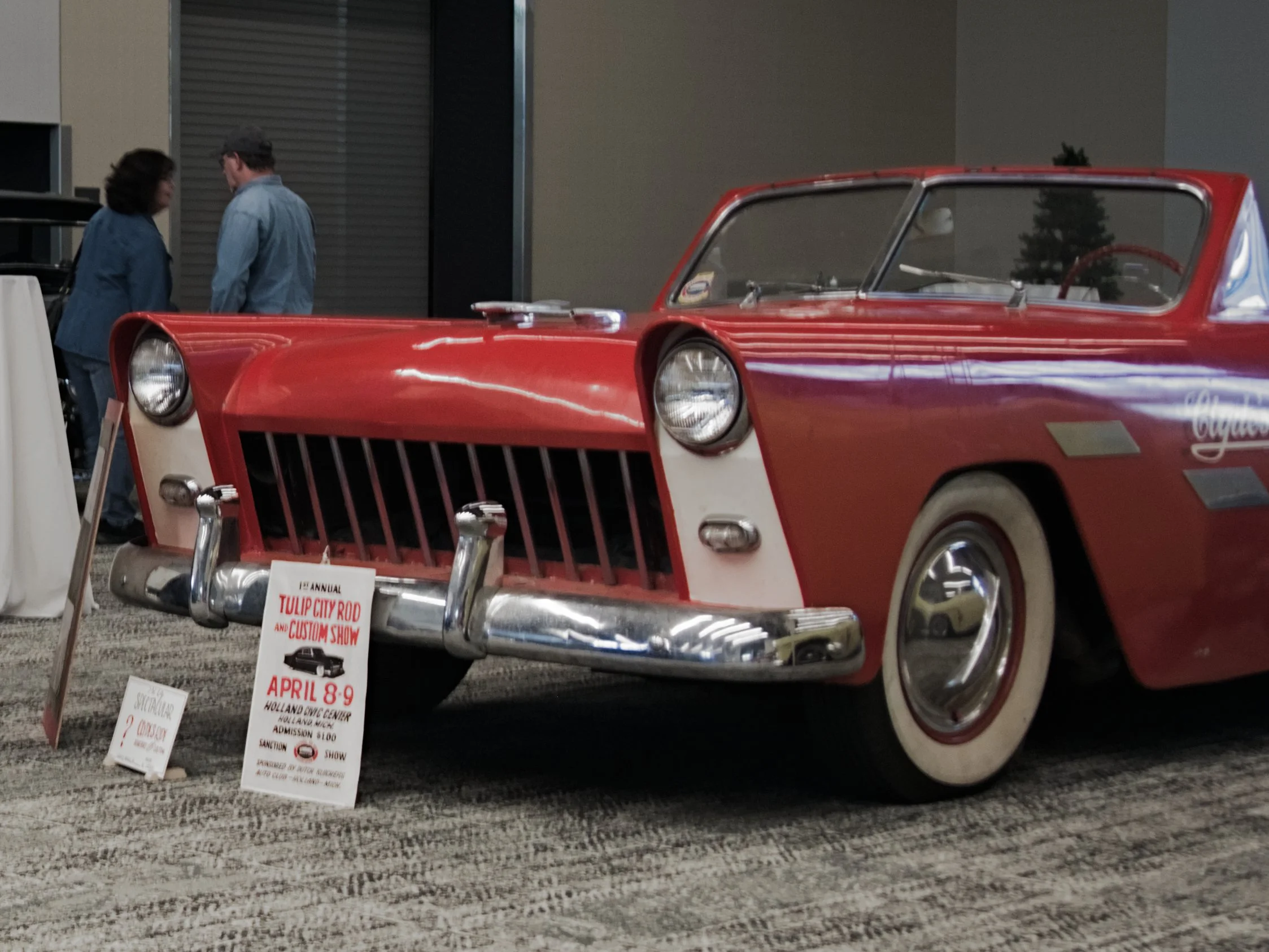
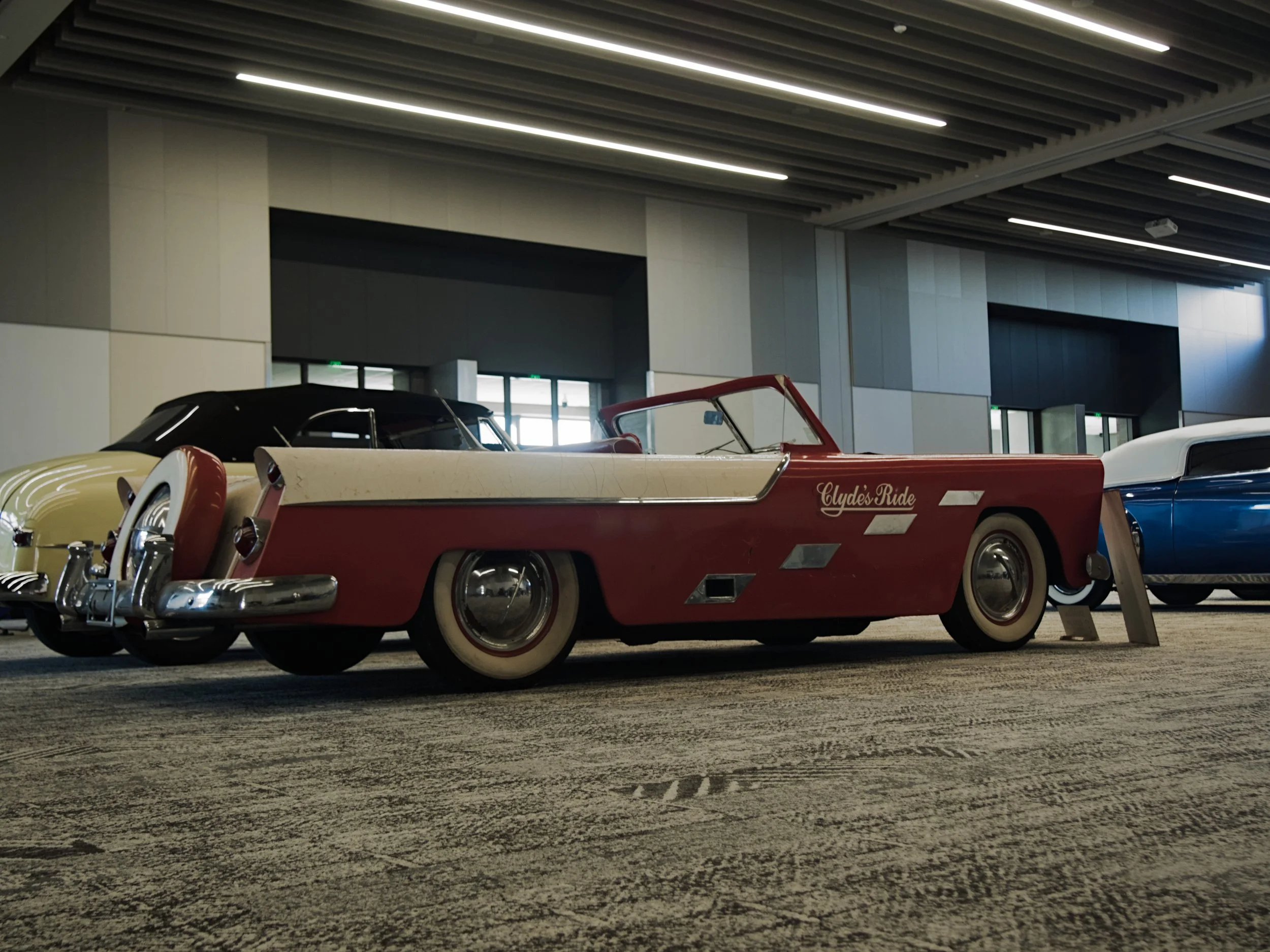
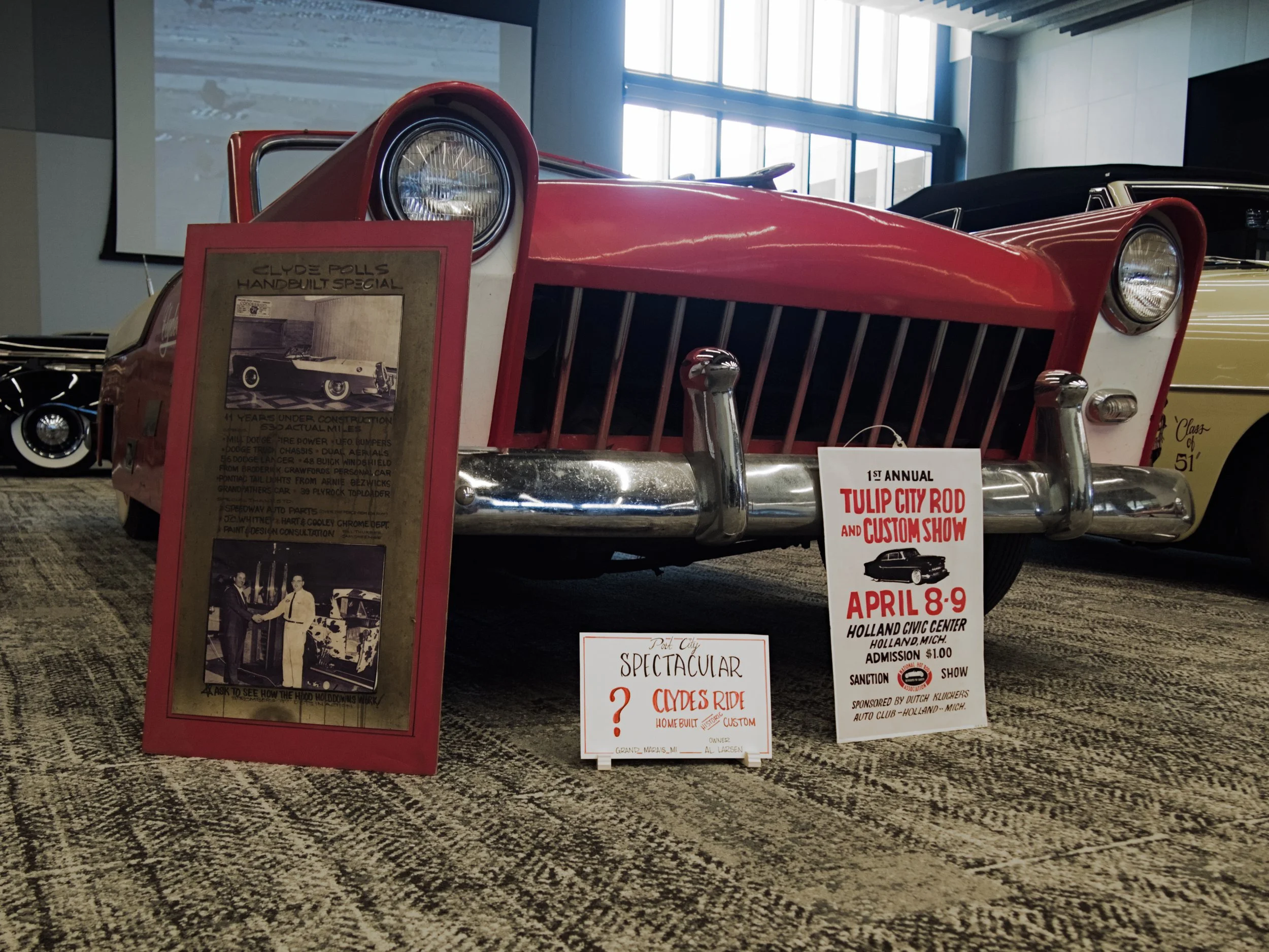
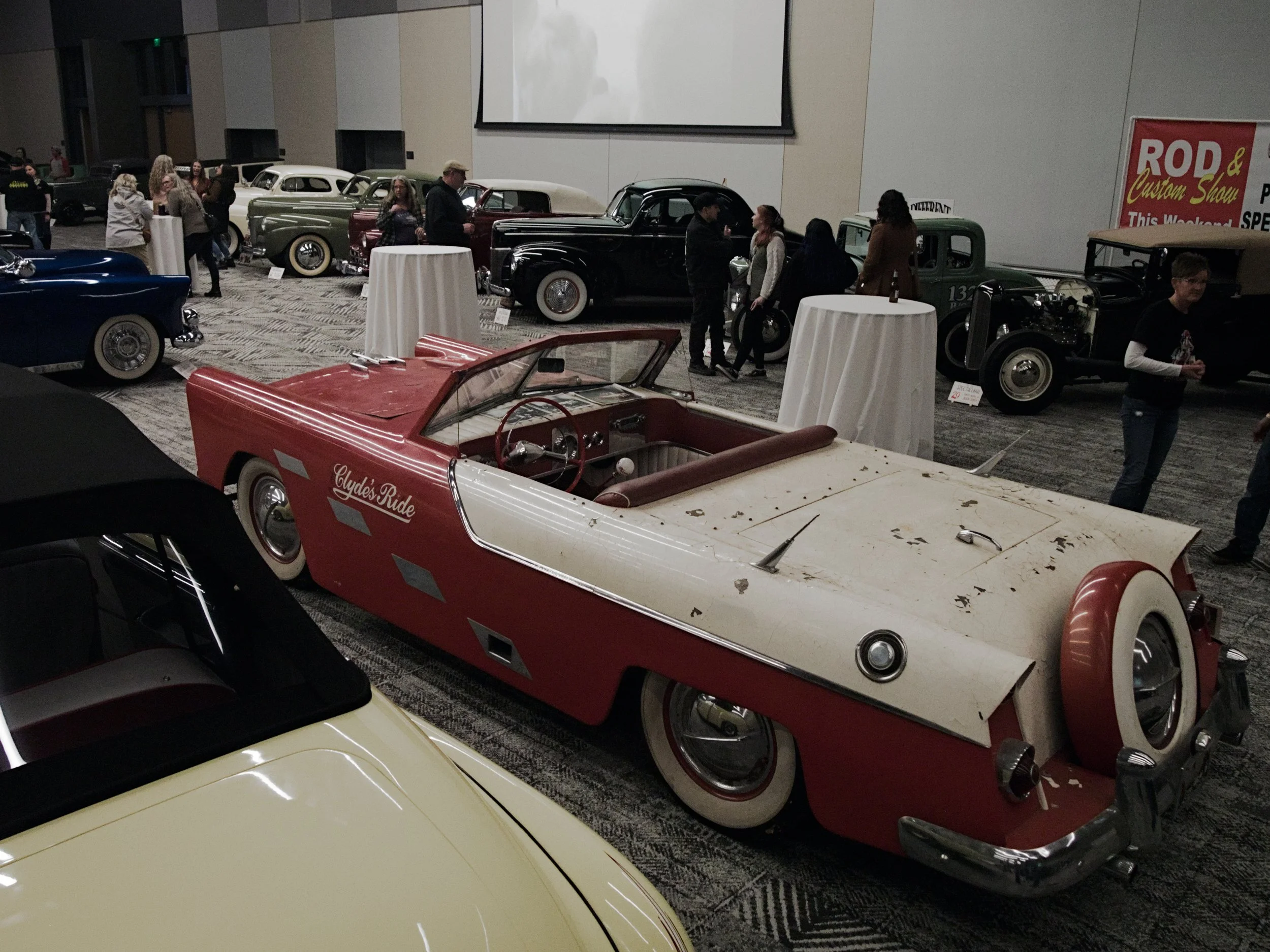
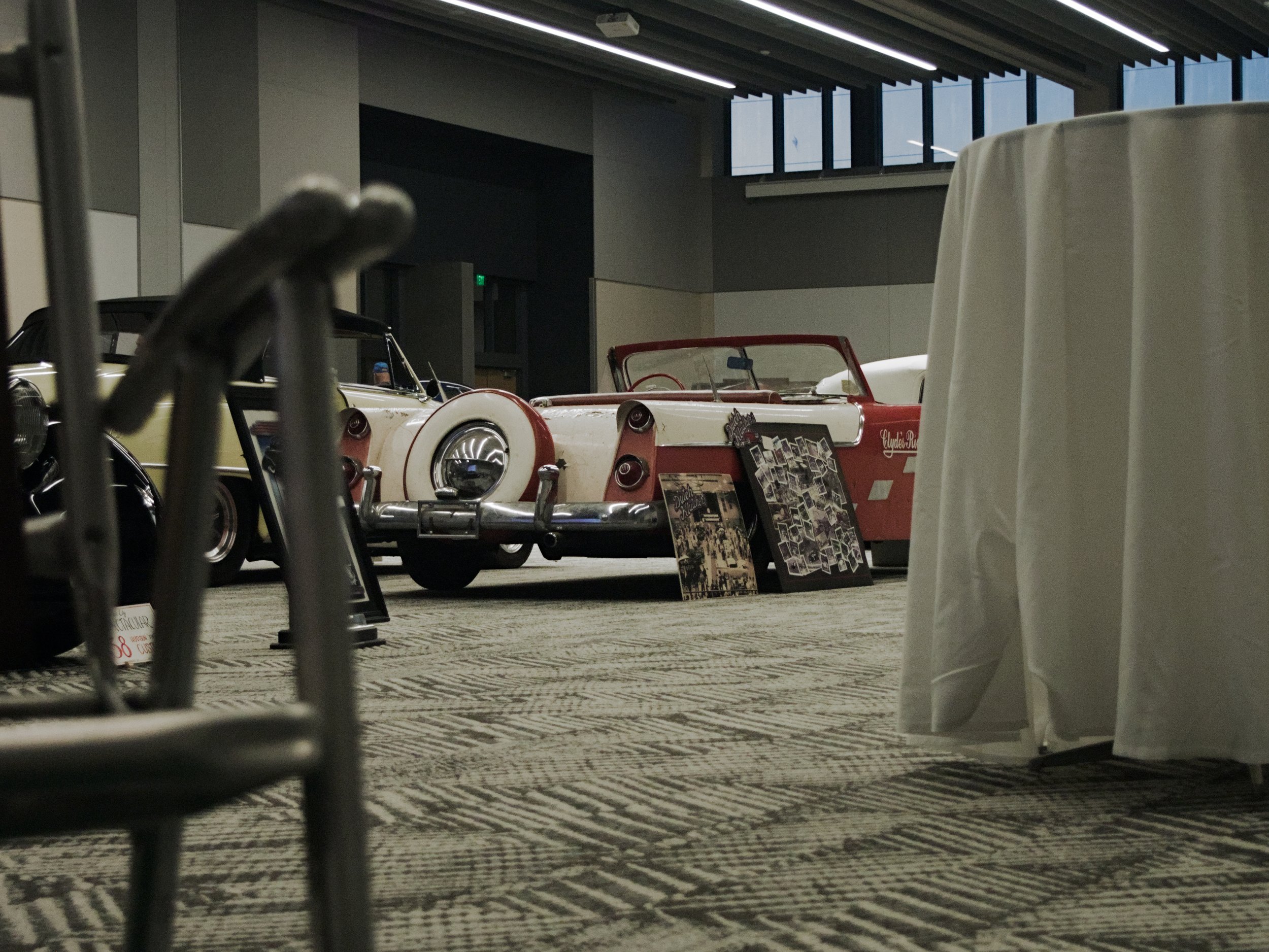
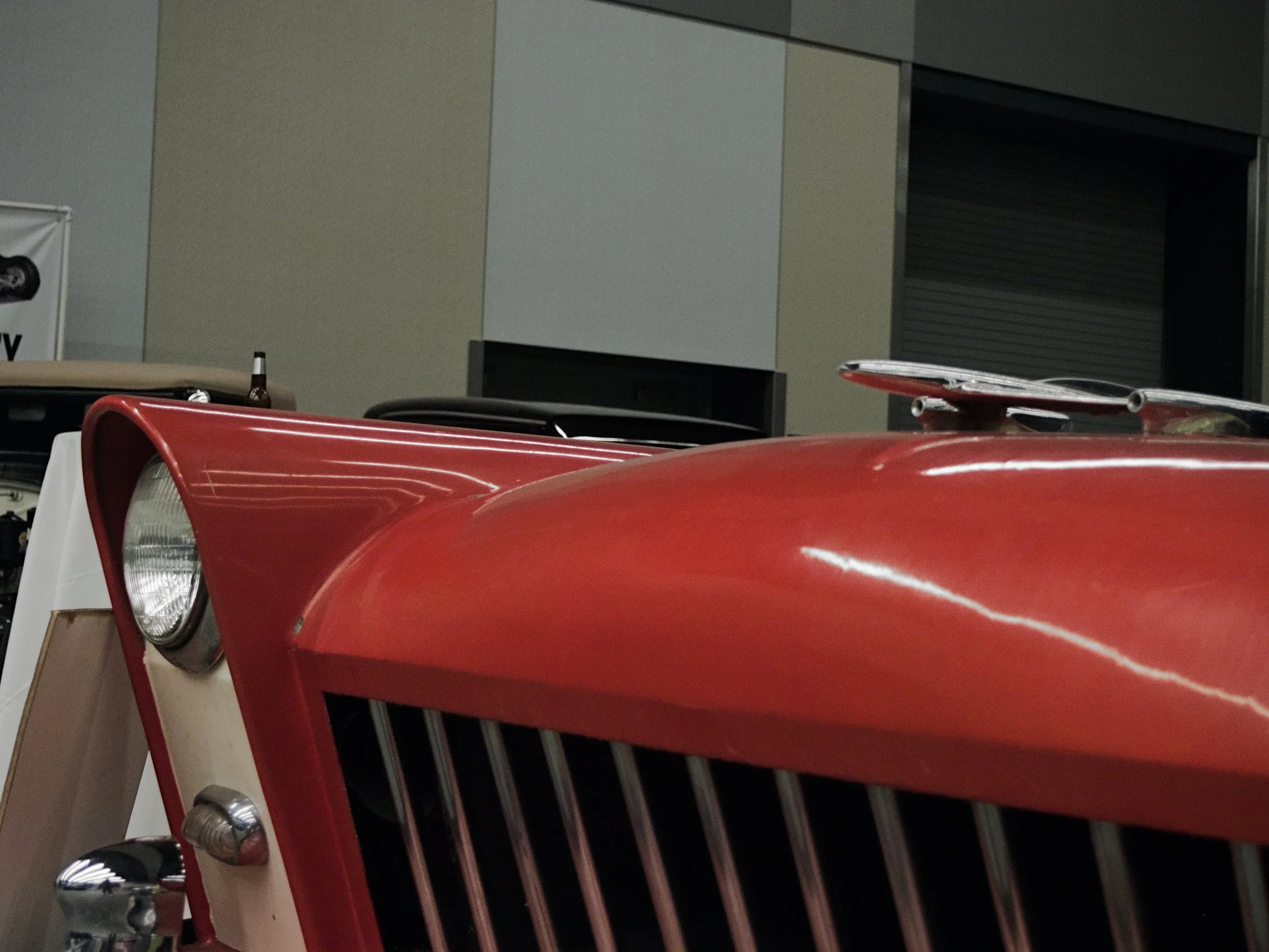
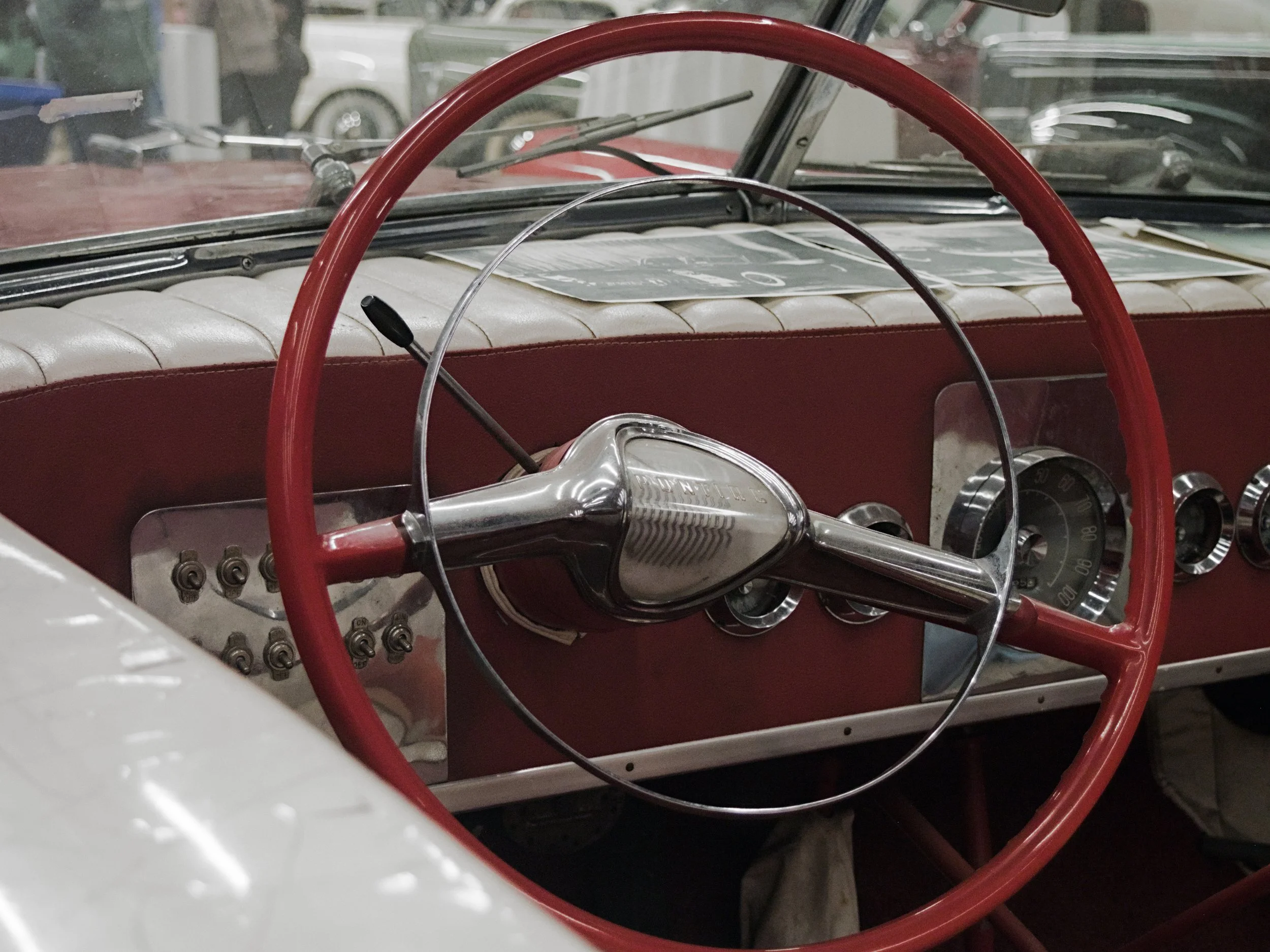

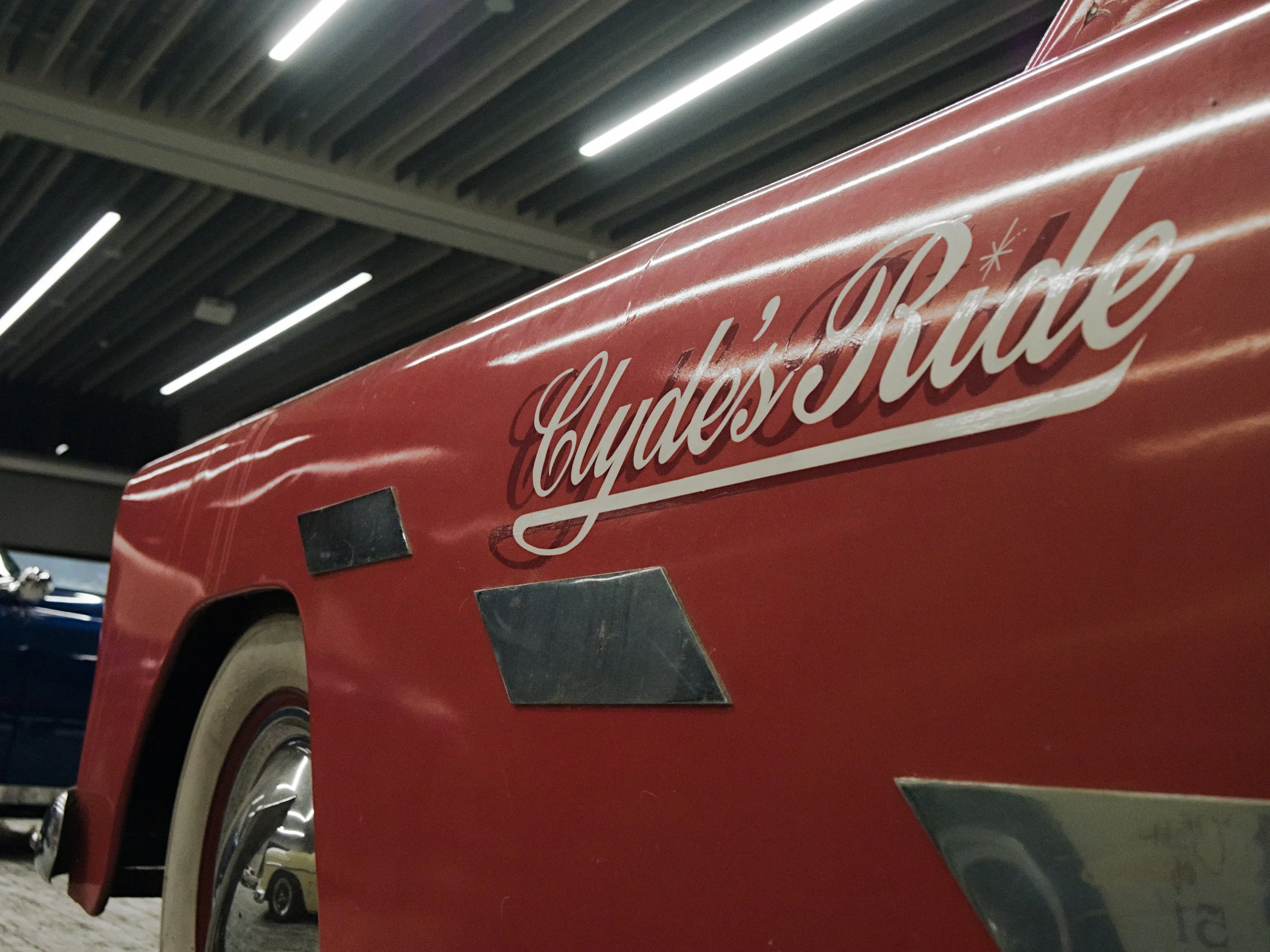
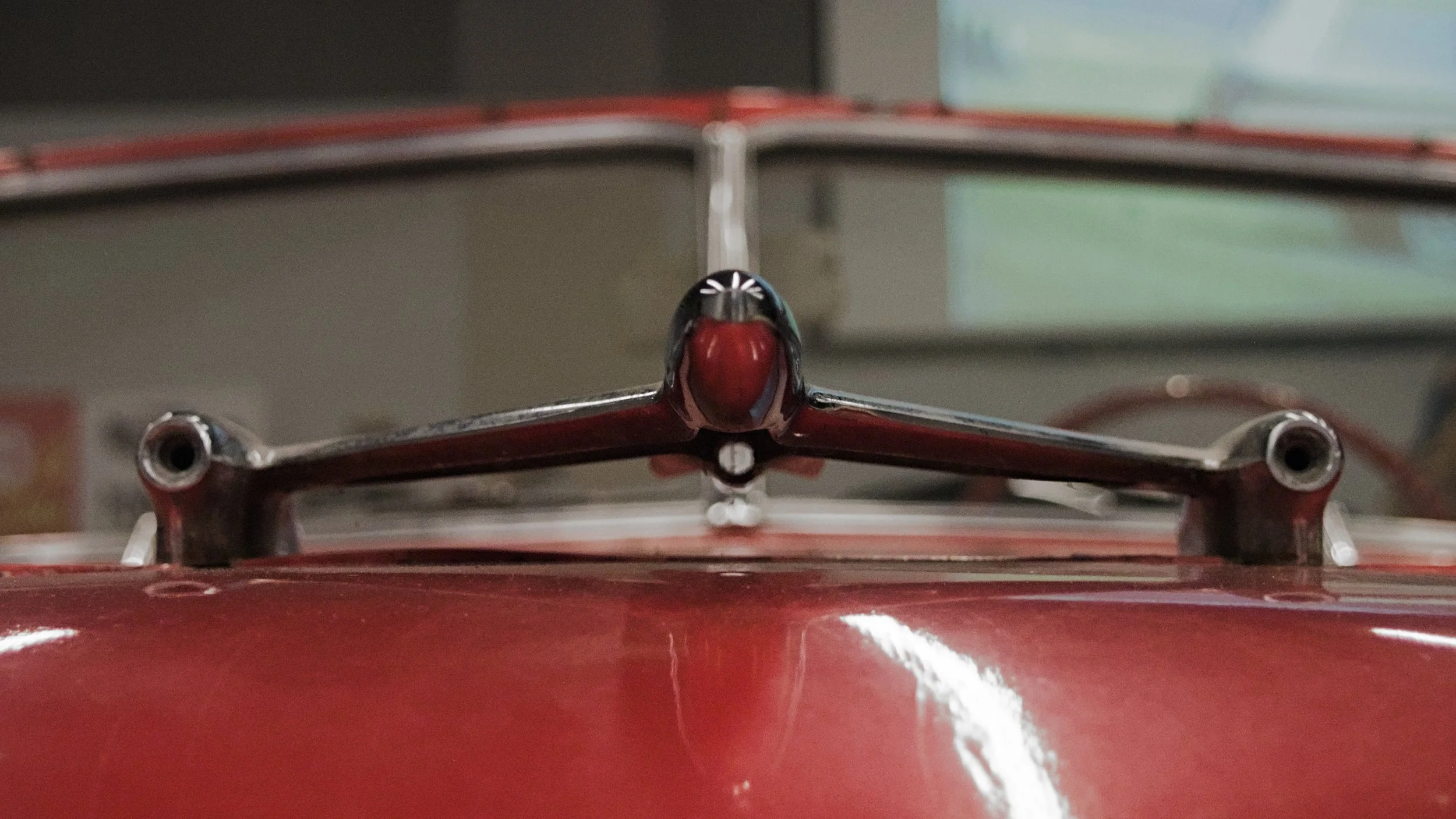
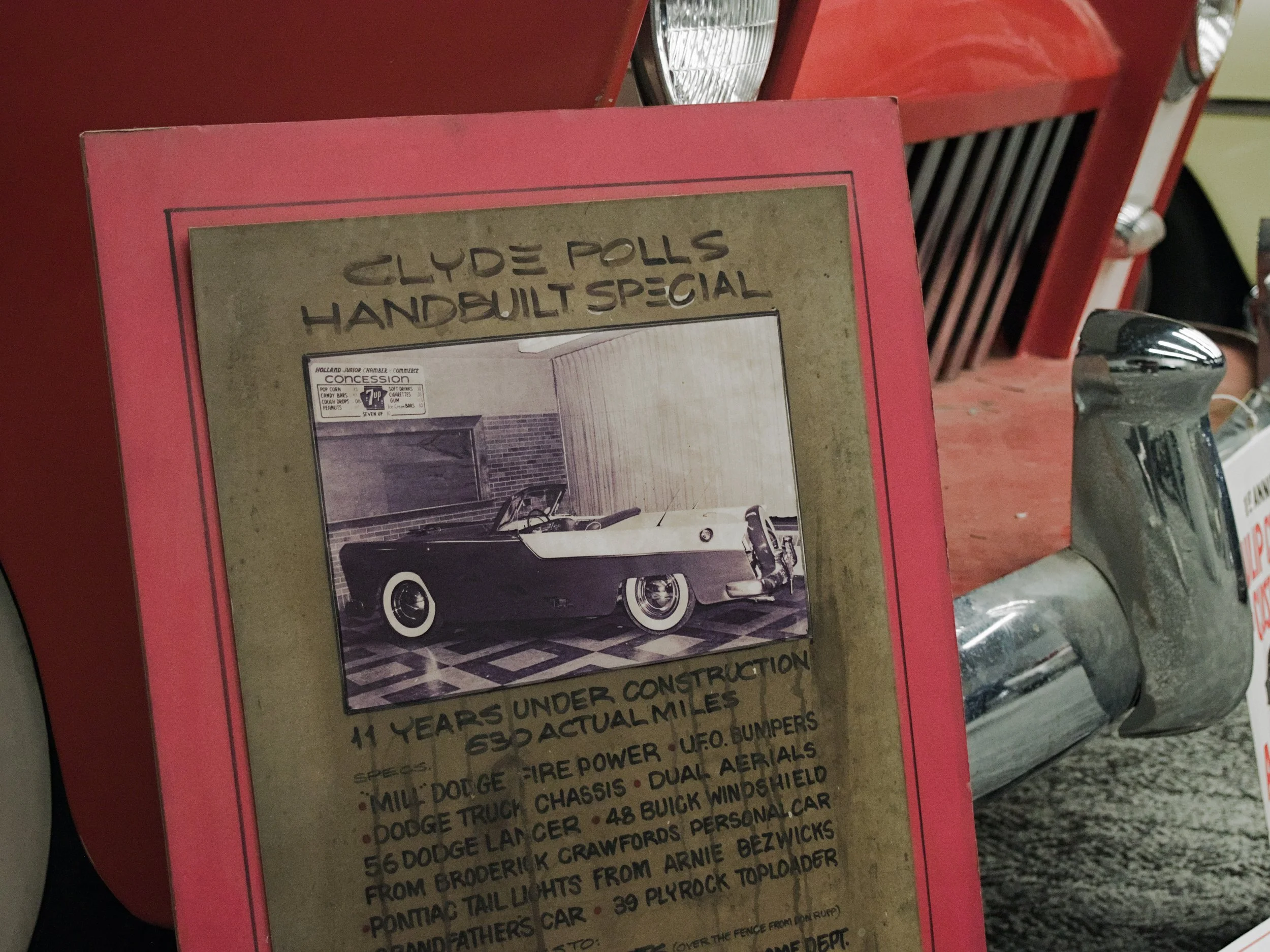
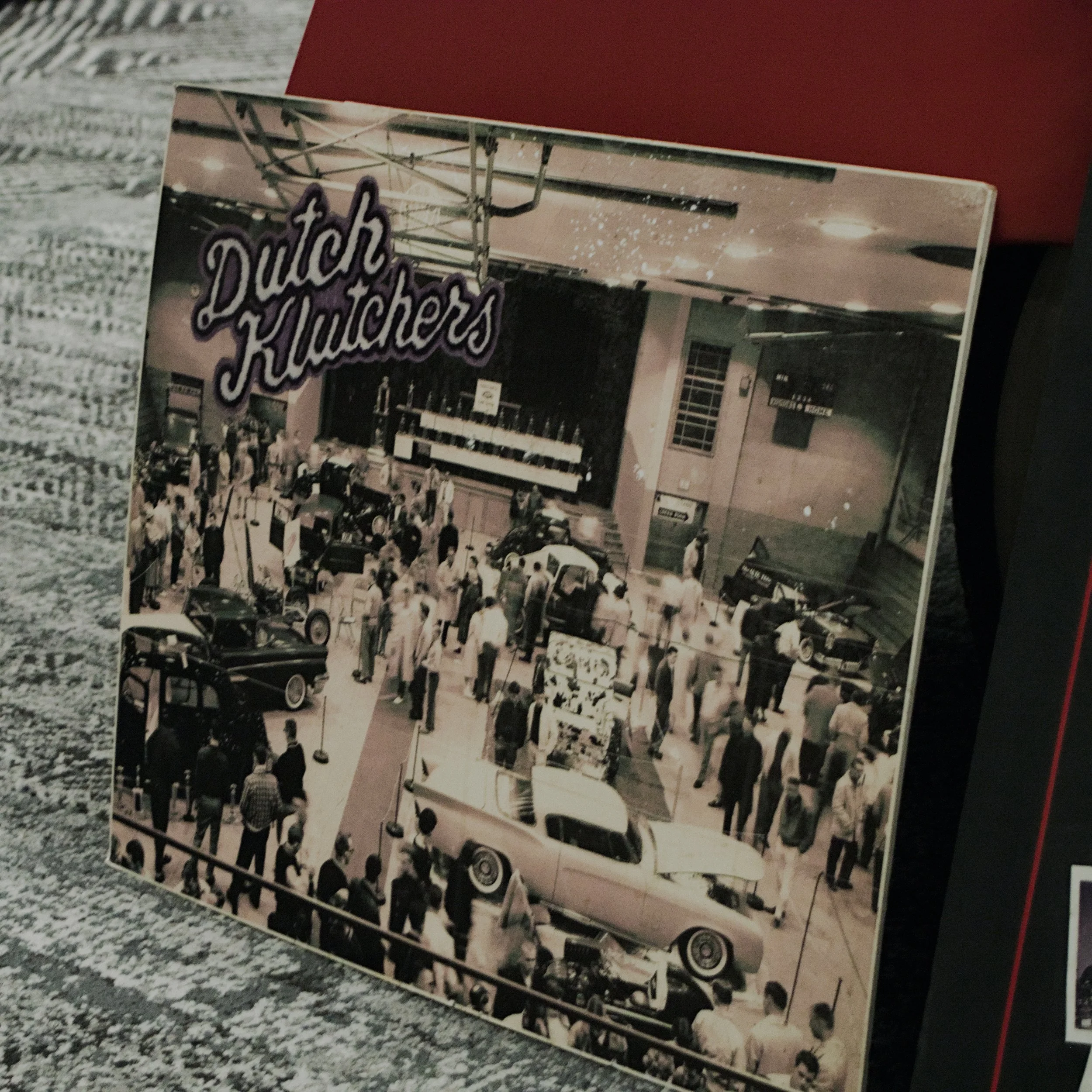
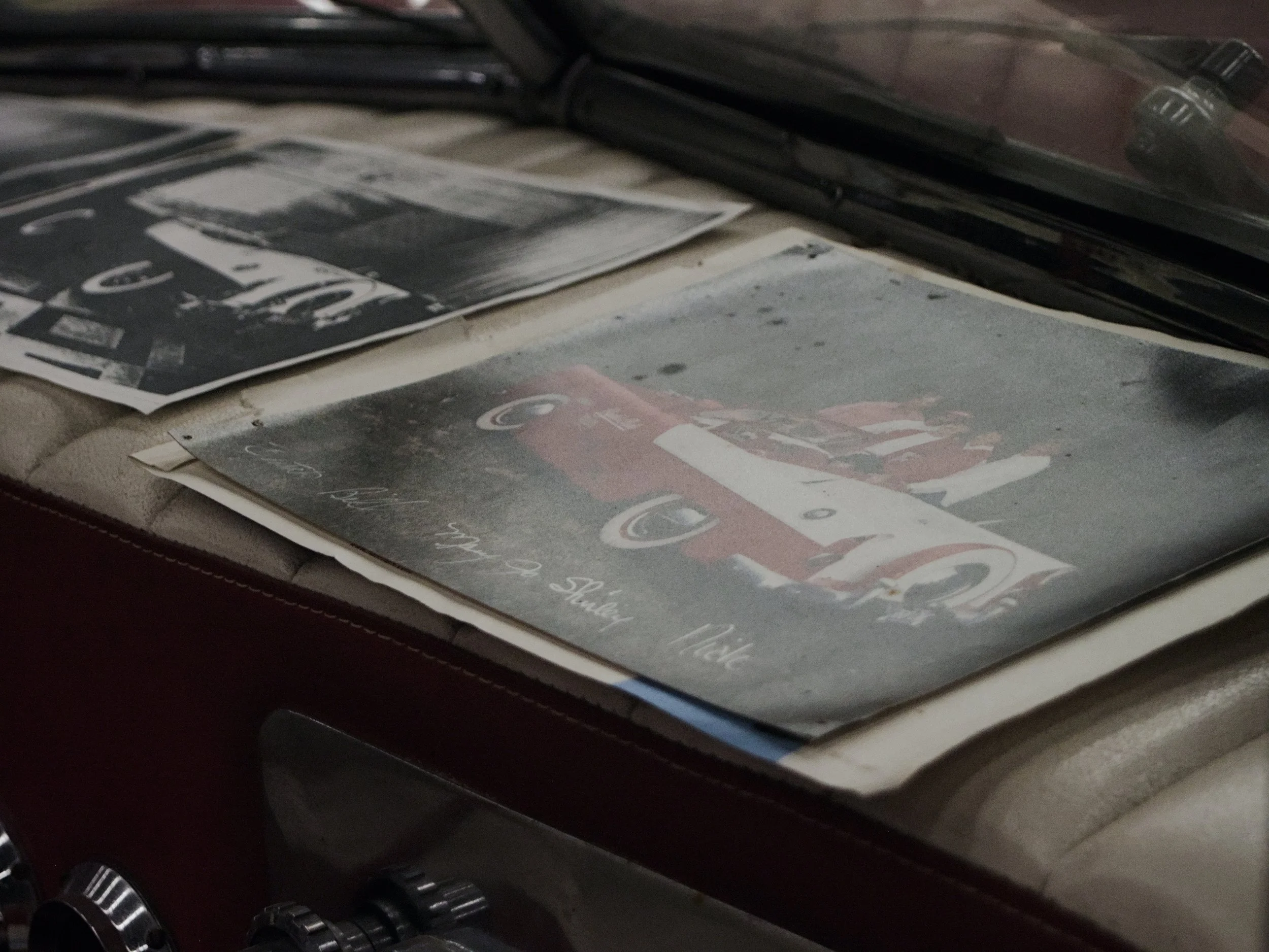
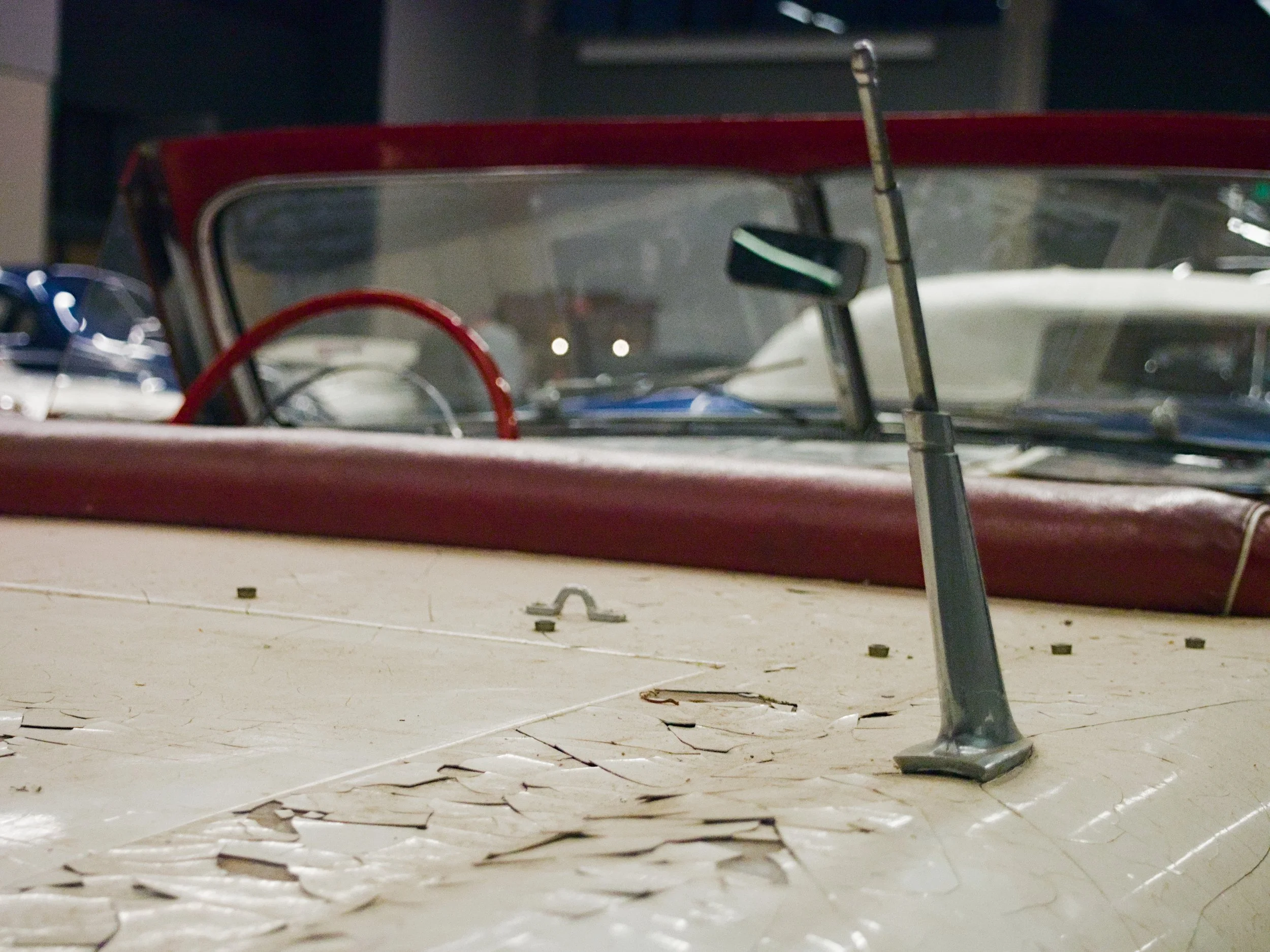
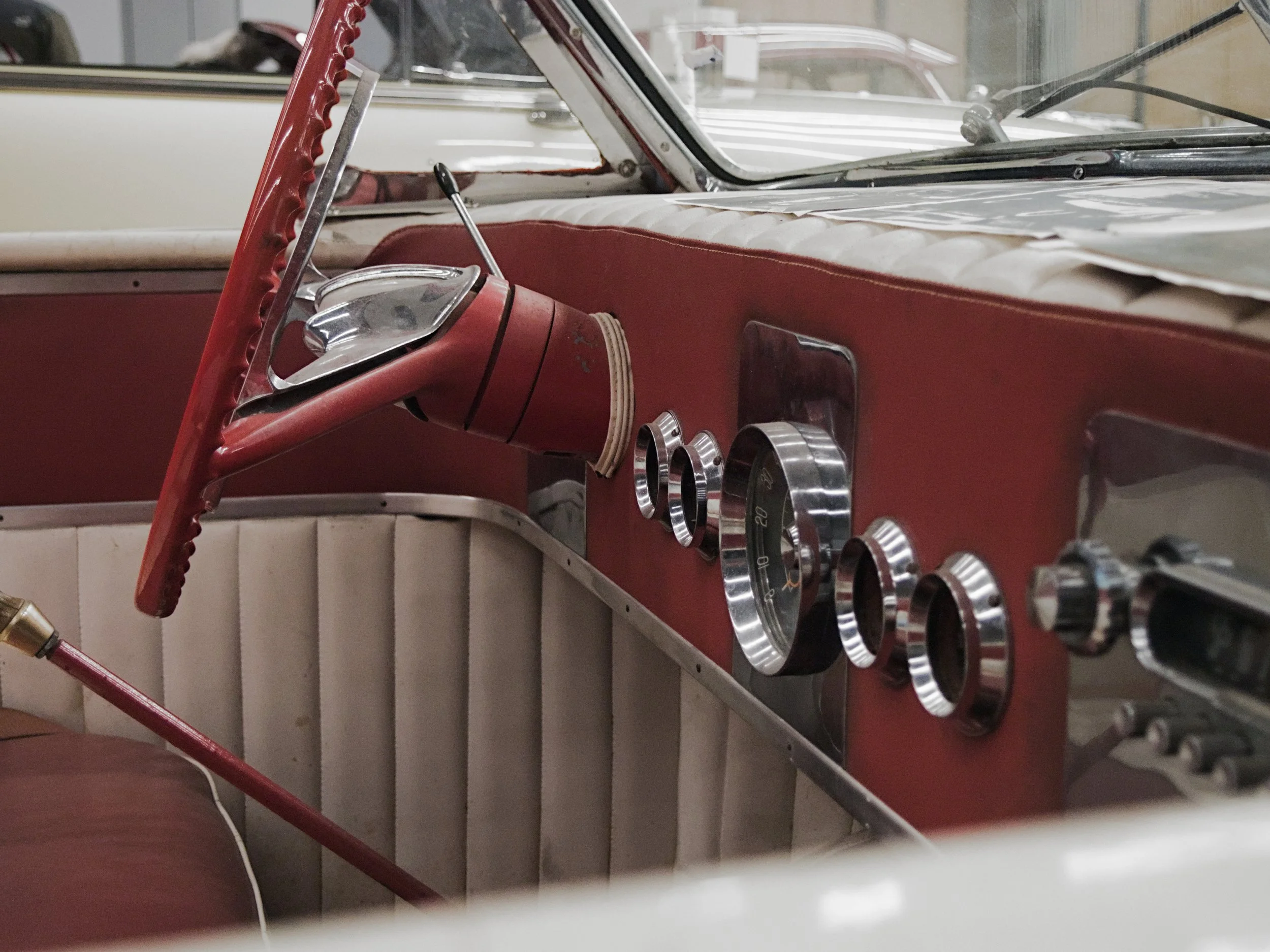
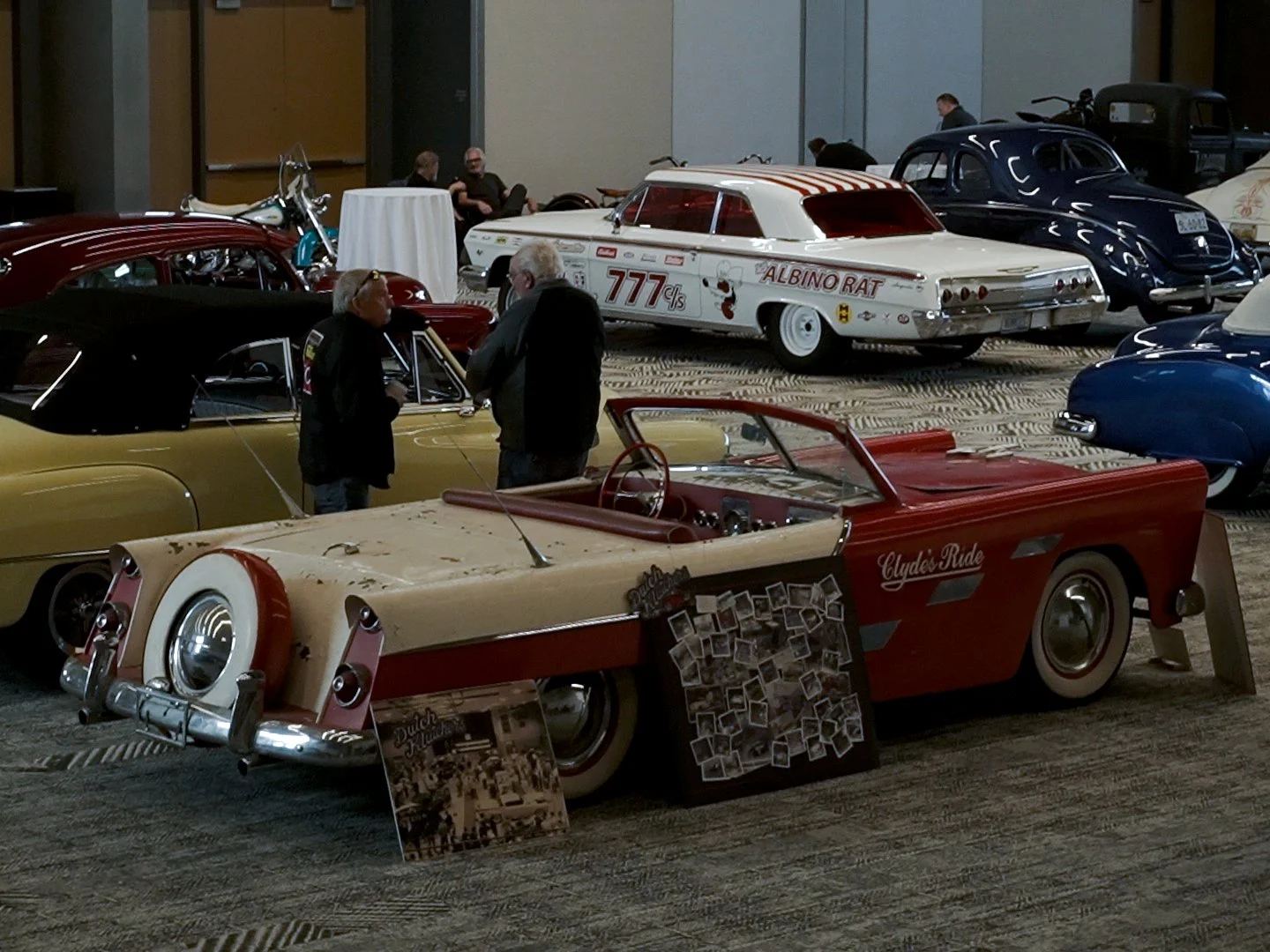
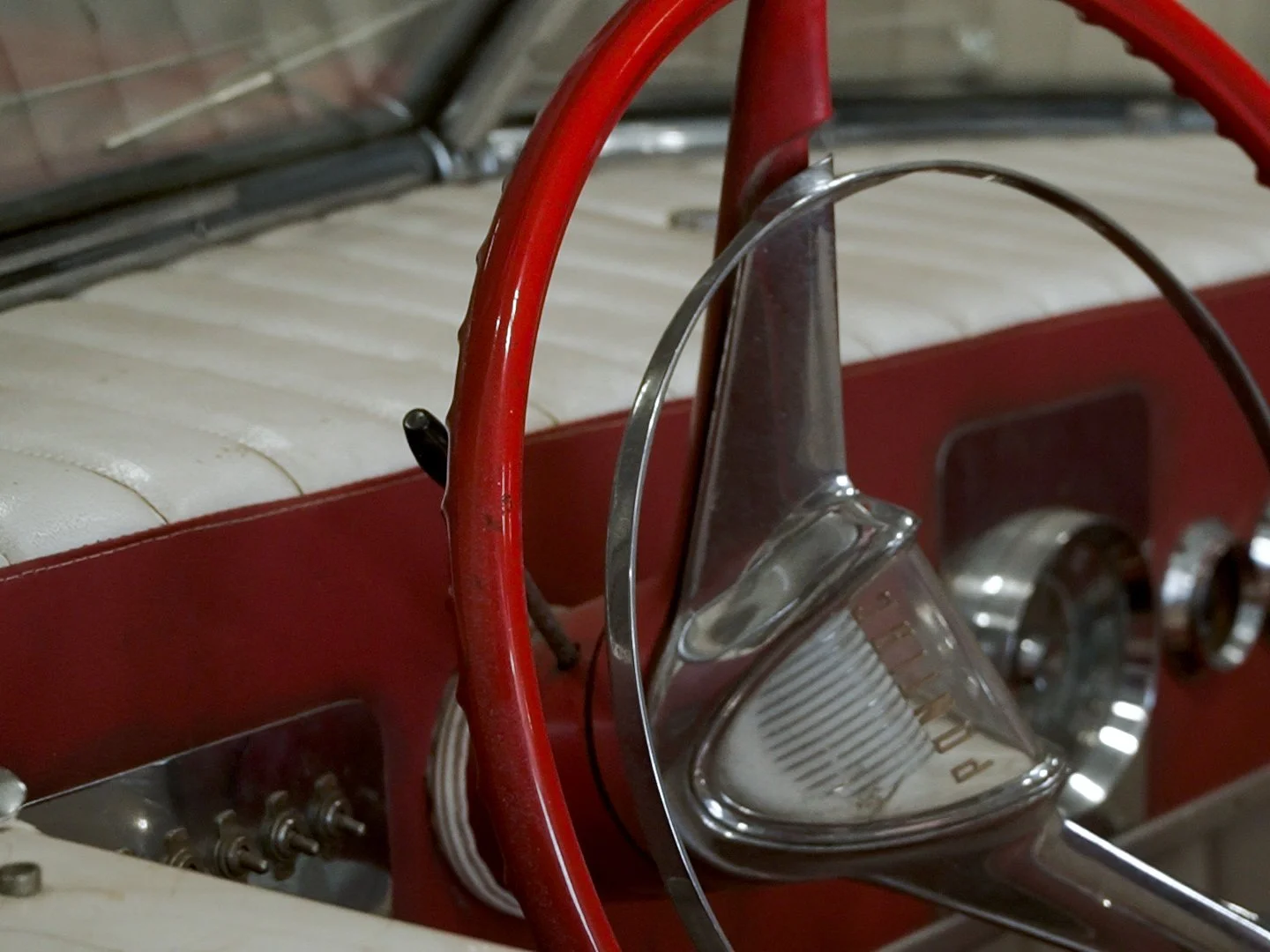
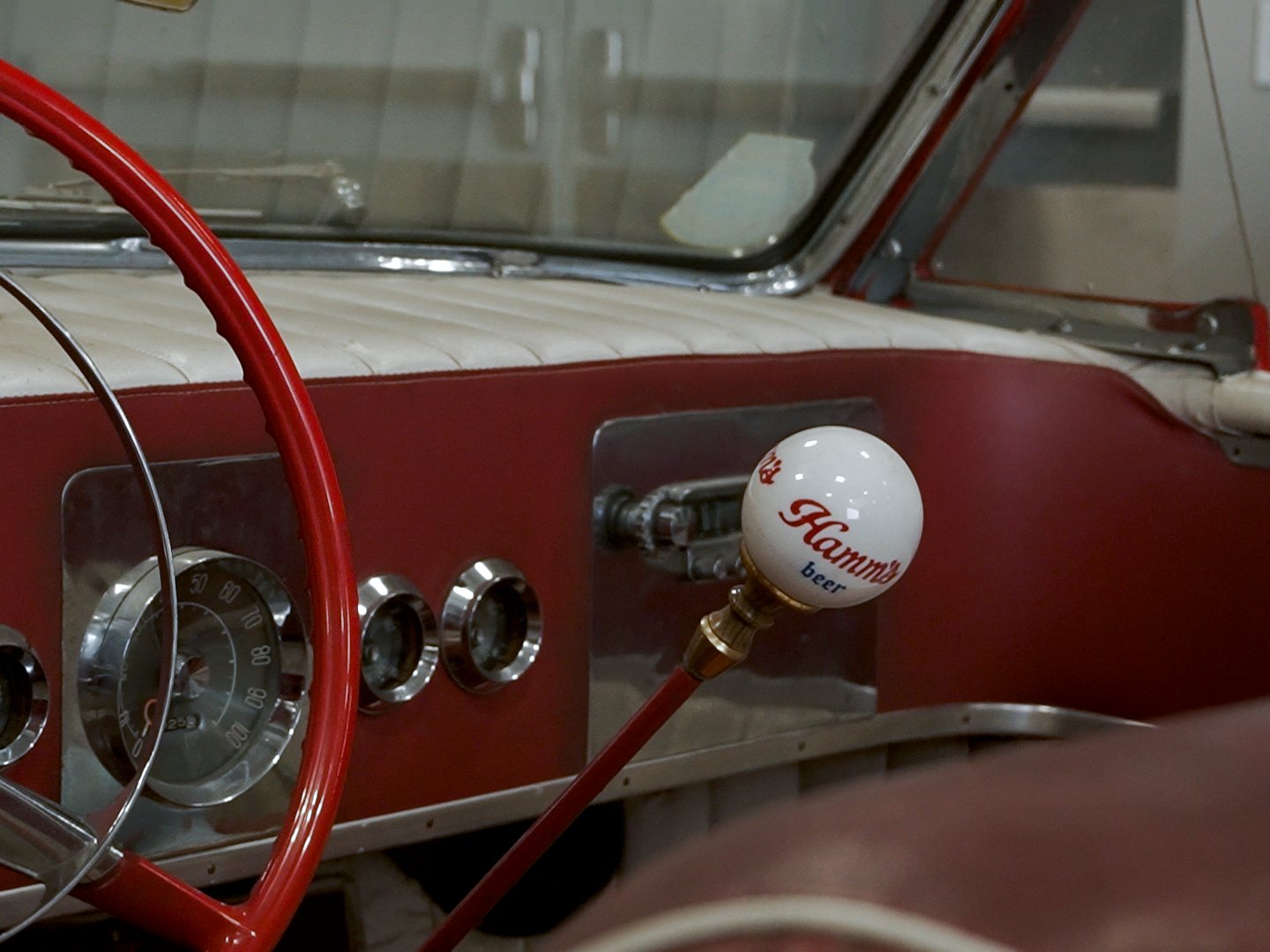
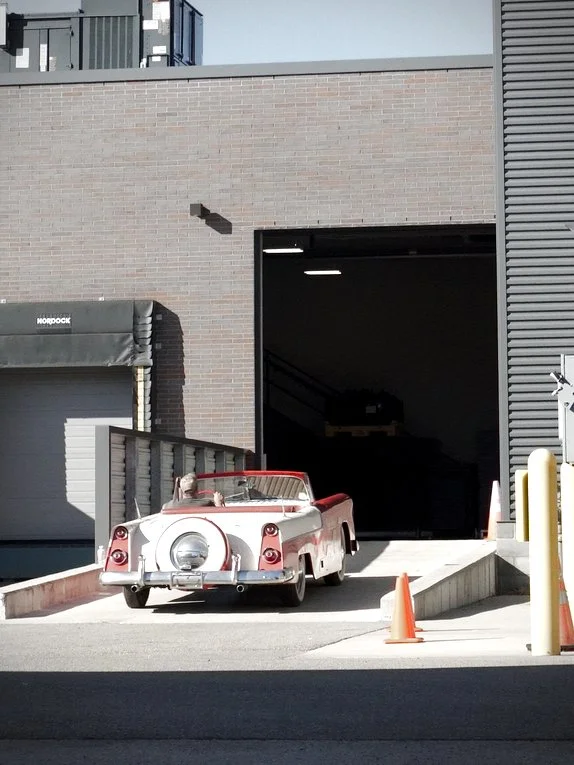
The black and white photos show Clyde’s Ride in its completed state at a local Holland, Michigan show in 1961. The color photos show the car in original, unrestored condition at the inaugural Port City Spectacular in Muskegon, Michigan in November of 2024.
Words and photos by Jon Van Oyen
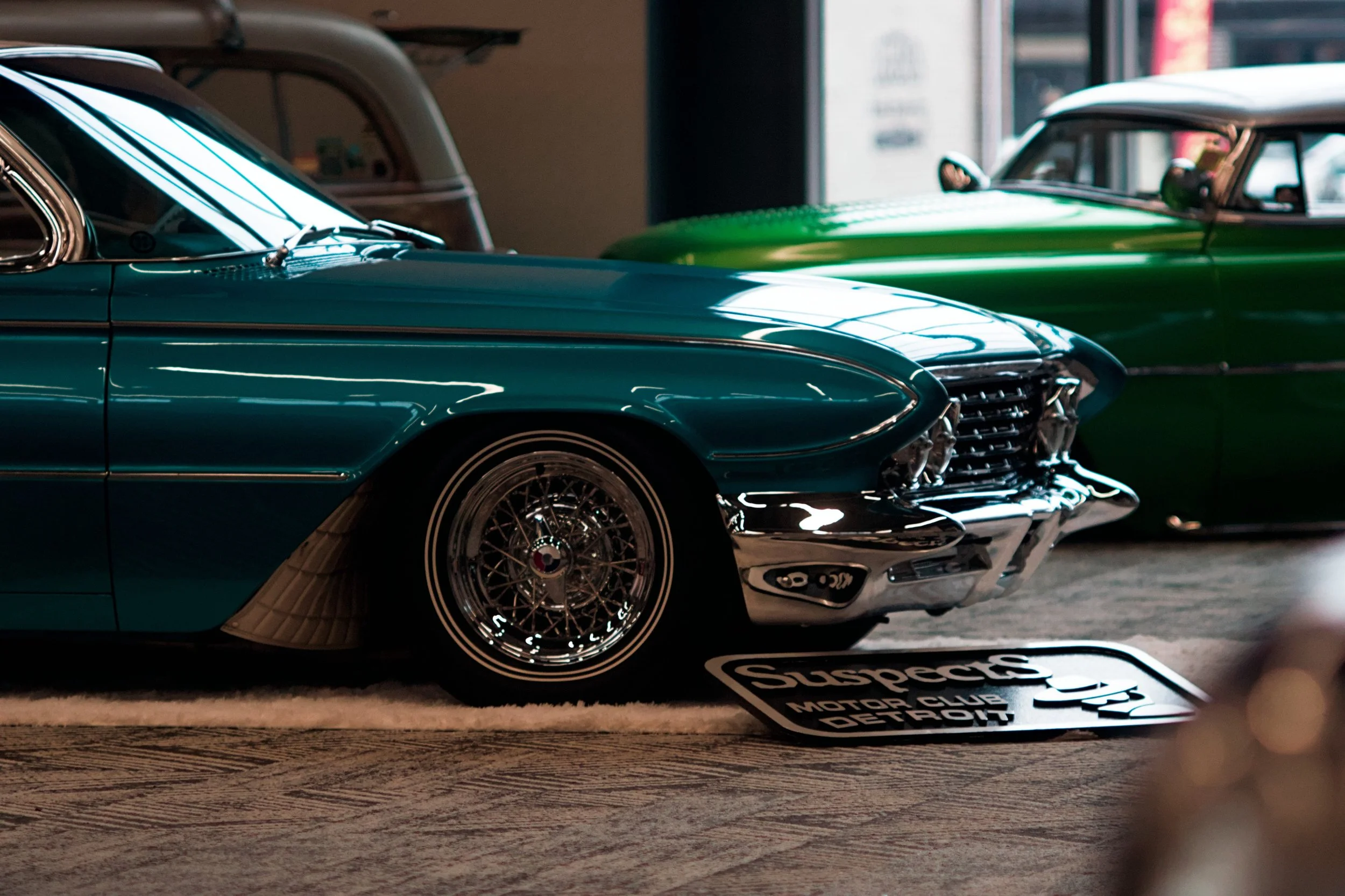
“Unconquered Custom”
The name “Invicta” translates to “unconquered” in Latin. Matt Smith’s ‘61 is most definitely fit to wear this name.
Down in Texas, It was given the early 60’s custom treatment by Bob Owens in the mid 20-teens. Door handles, emblems, ornaments, and portholes were shaved, and those crispy Buick lines were sprayed by Mike Howell. The color itself was a custom mix given to Bob by Lee Pratt that had some “Peacock” metalflake thrown in .
The static drop has the Buick sitting just right over a set of Skylark wires restored by McLean Wire Wheels wrapped in a quartet of custom double-pinner whitewall tires made by Diamondback.
Pushing this big Buick out of its own way is a 401 Nailhead topped with a factory dual-quad setup from a Riviera GS.
Matt came to own the car under a miracle of good timing as he was talking to the right people at the right time. It so happened he was offloading a ‘54 Bel Air in the same location the Invicta had to be retrieved from.
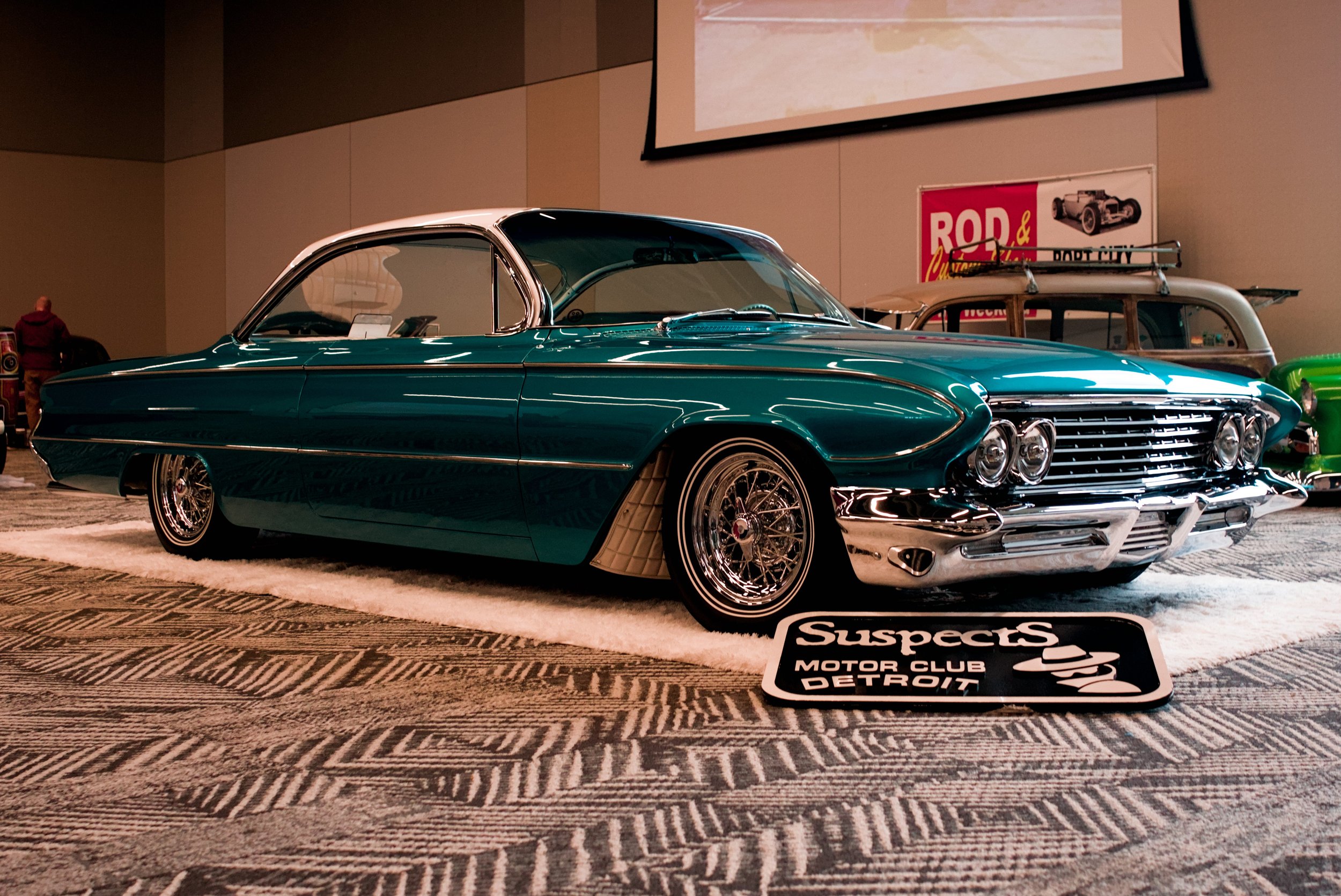
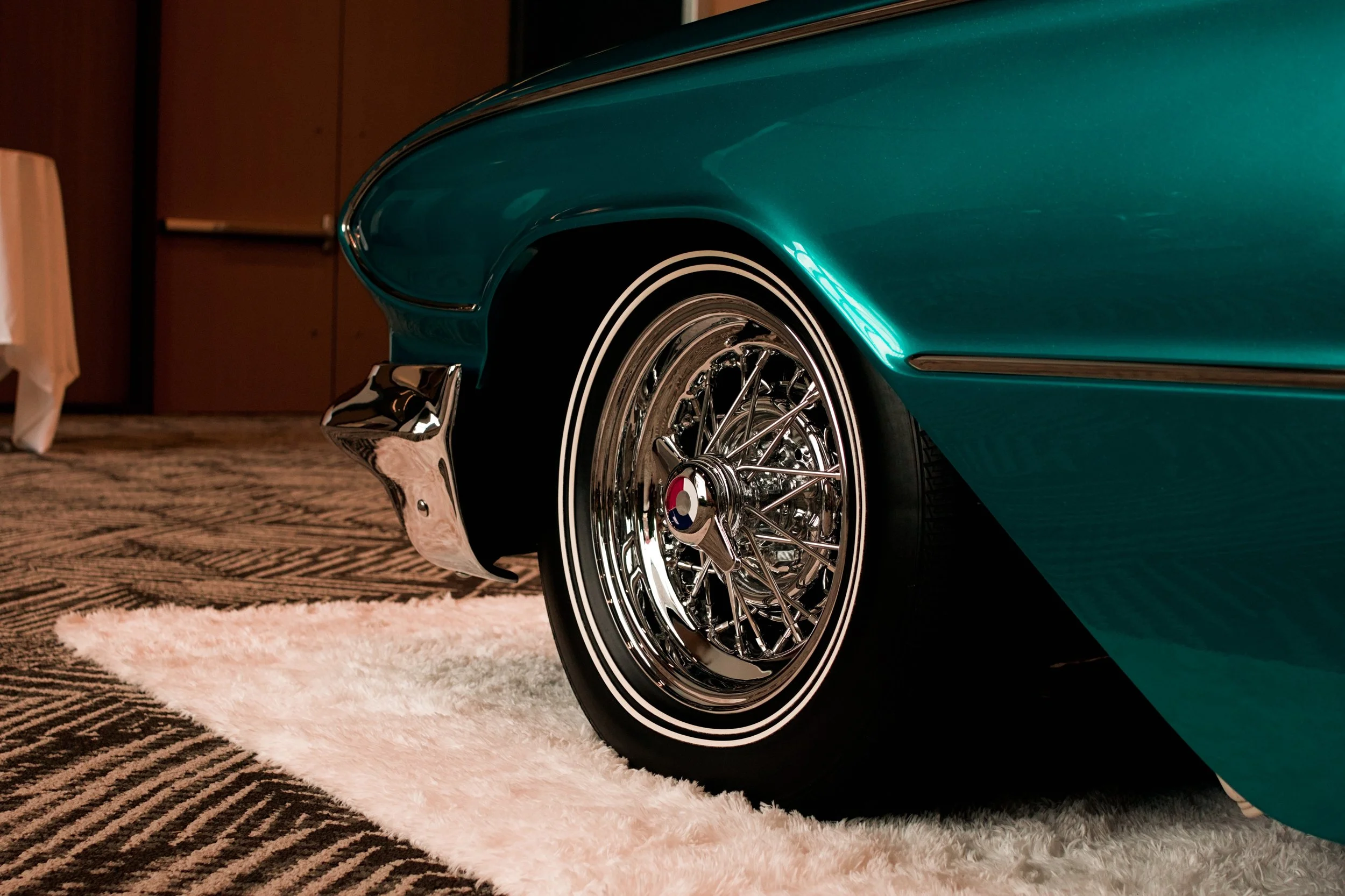
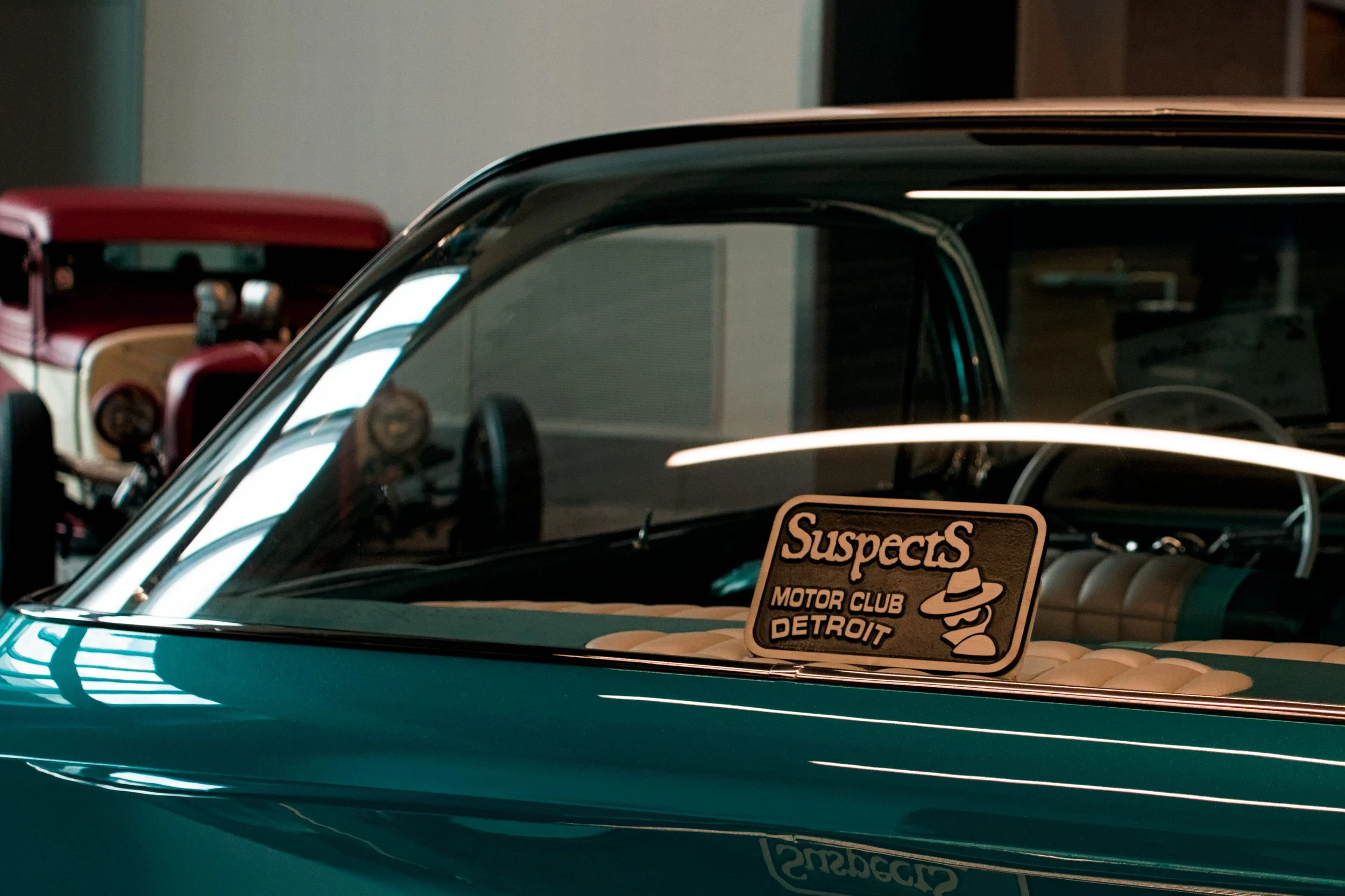
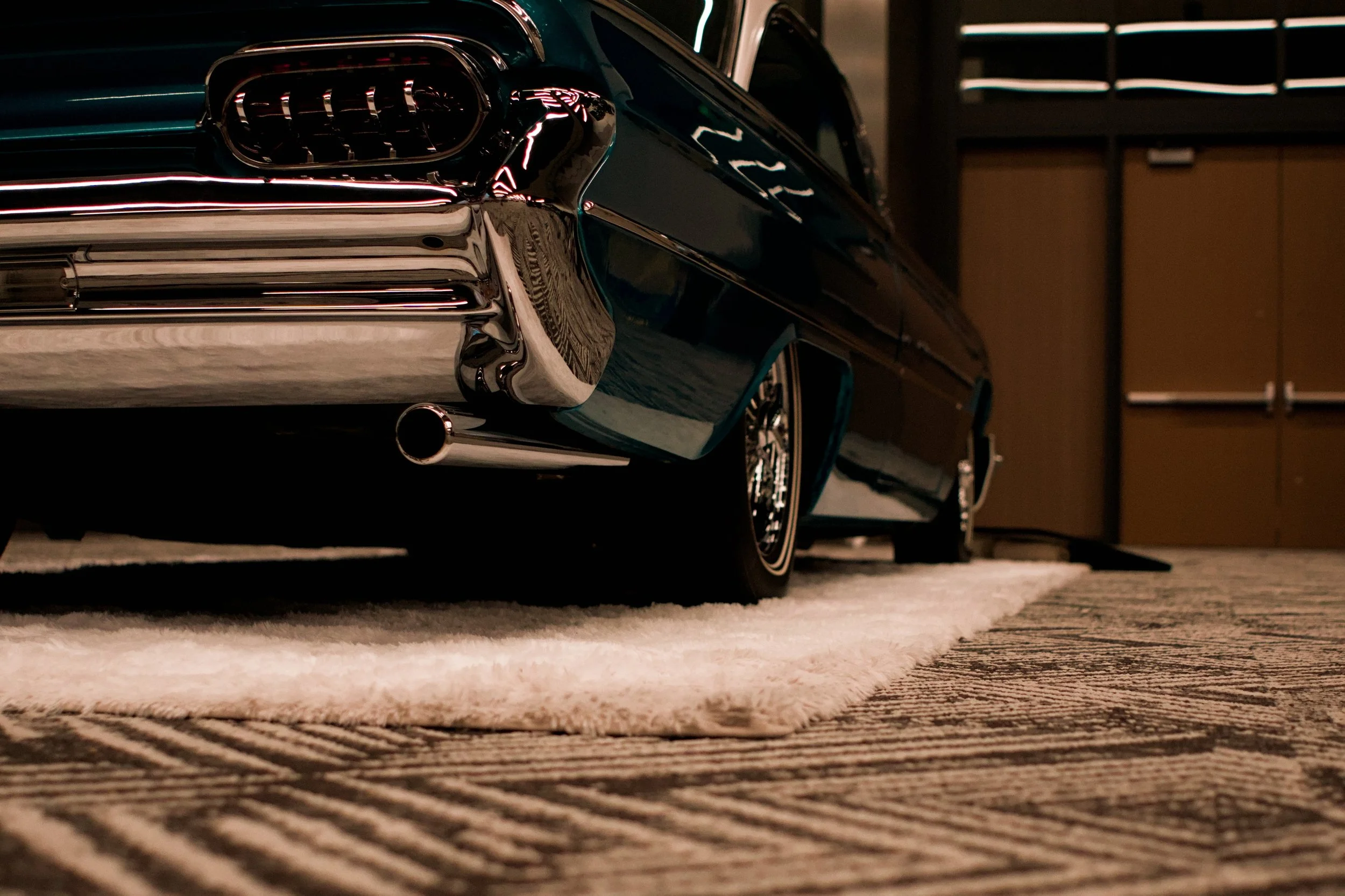
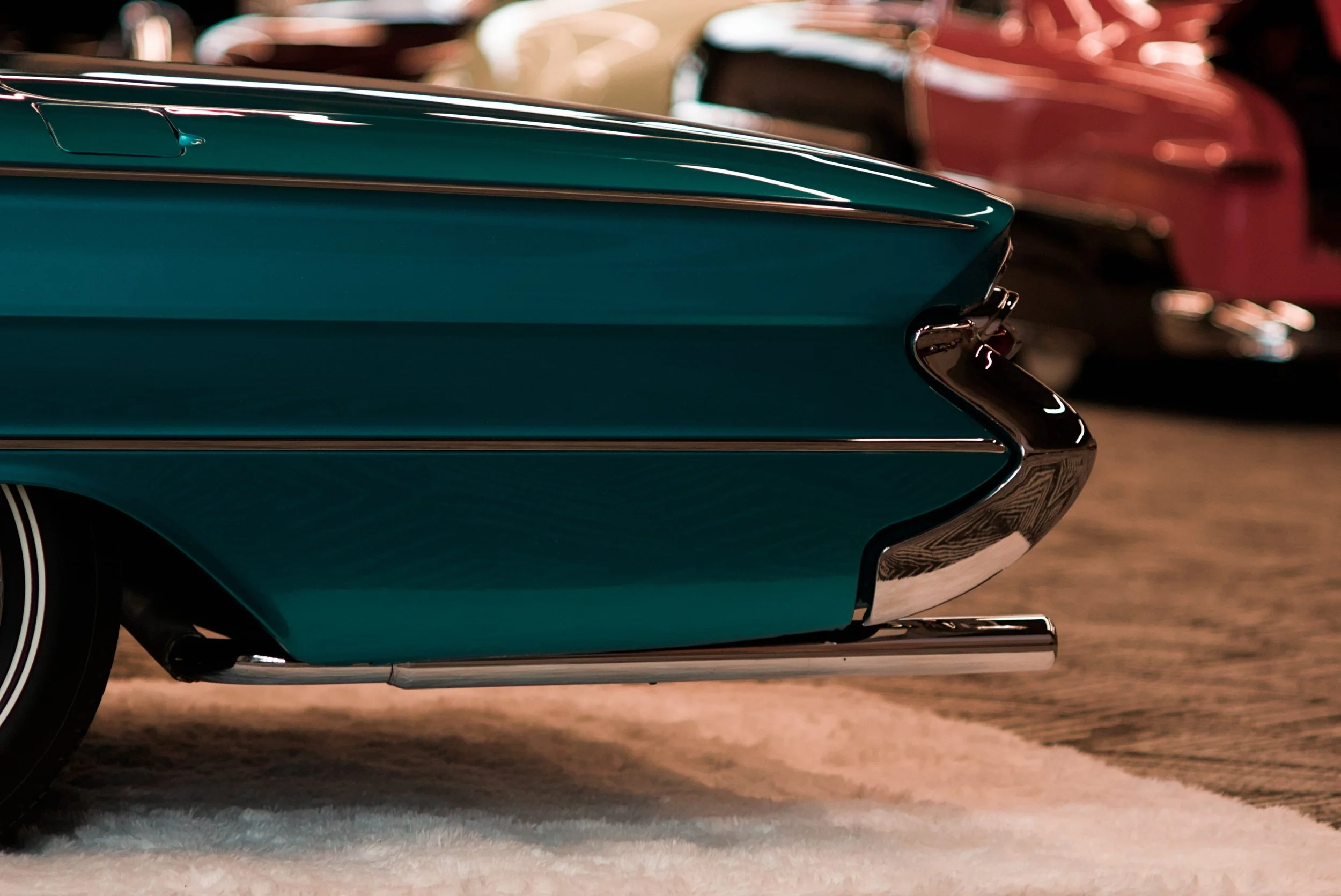
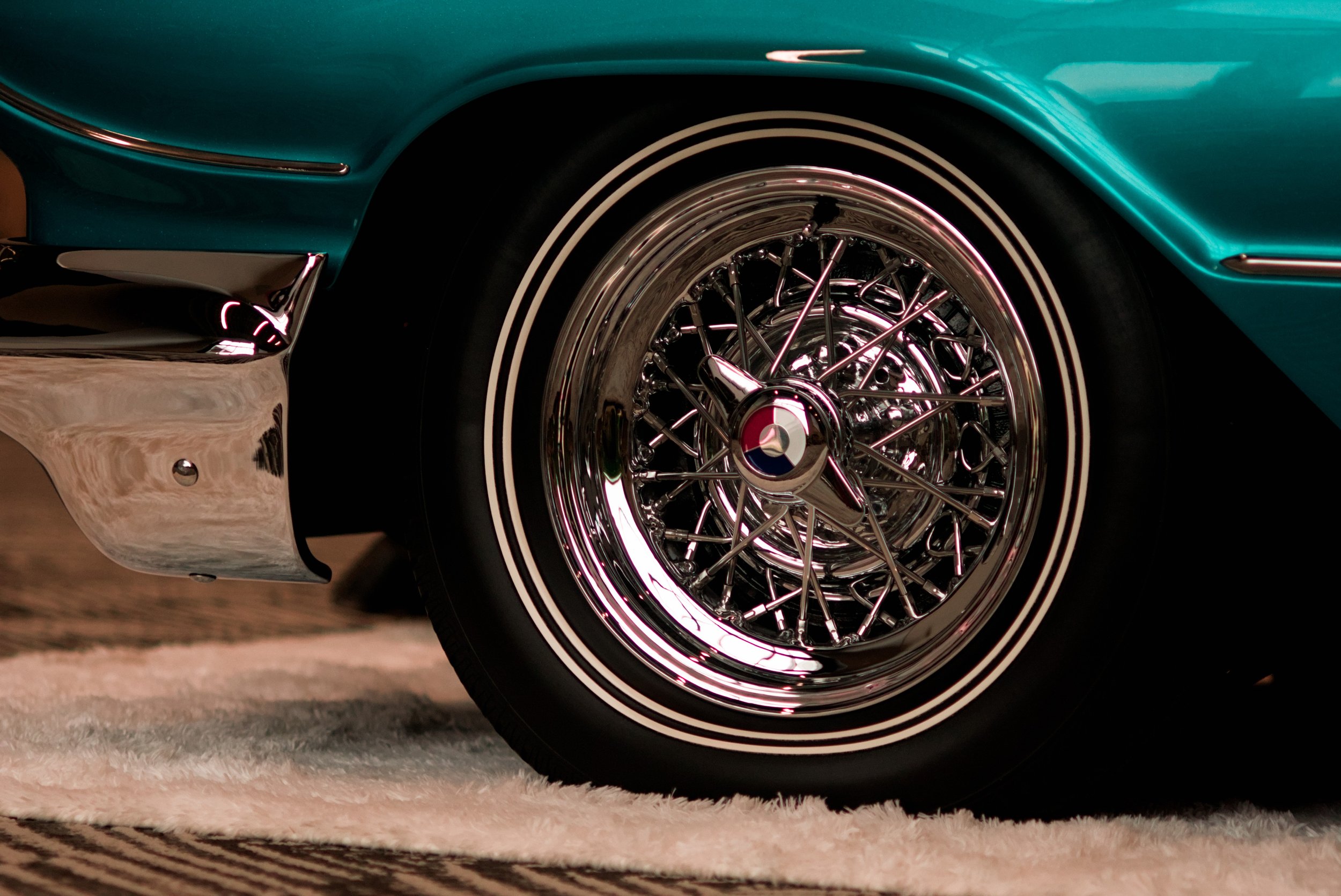

Photos and words by Jonathan Van Oyen as seen at Port City Spectacular 2025
2024 Port City Spectacular
2024 Port City Spectacular


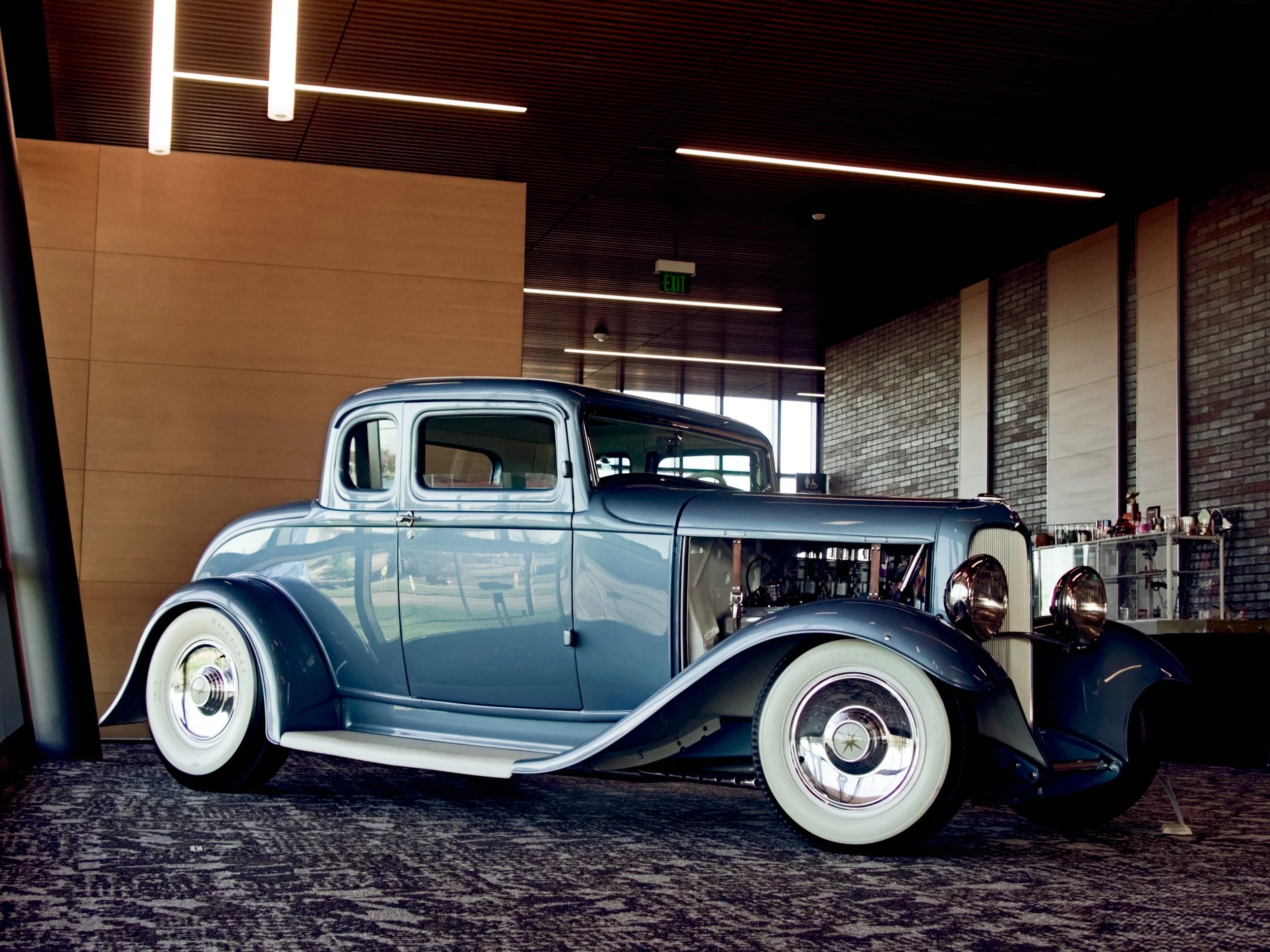
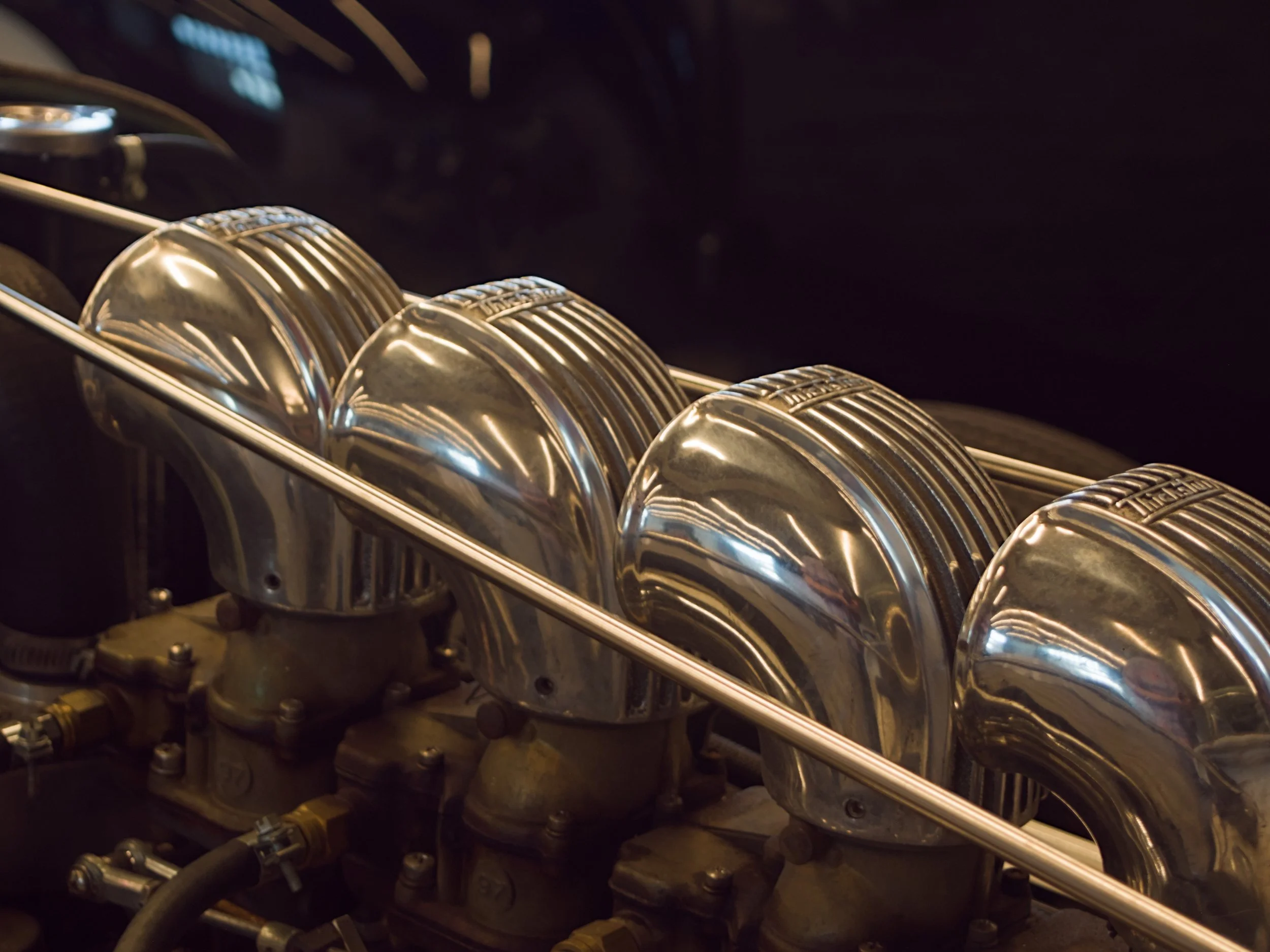

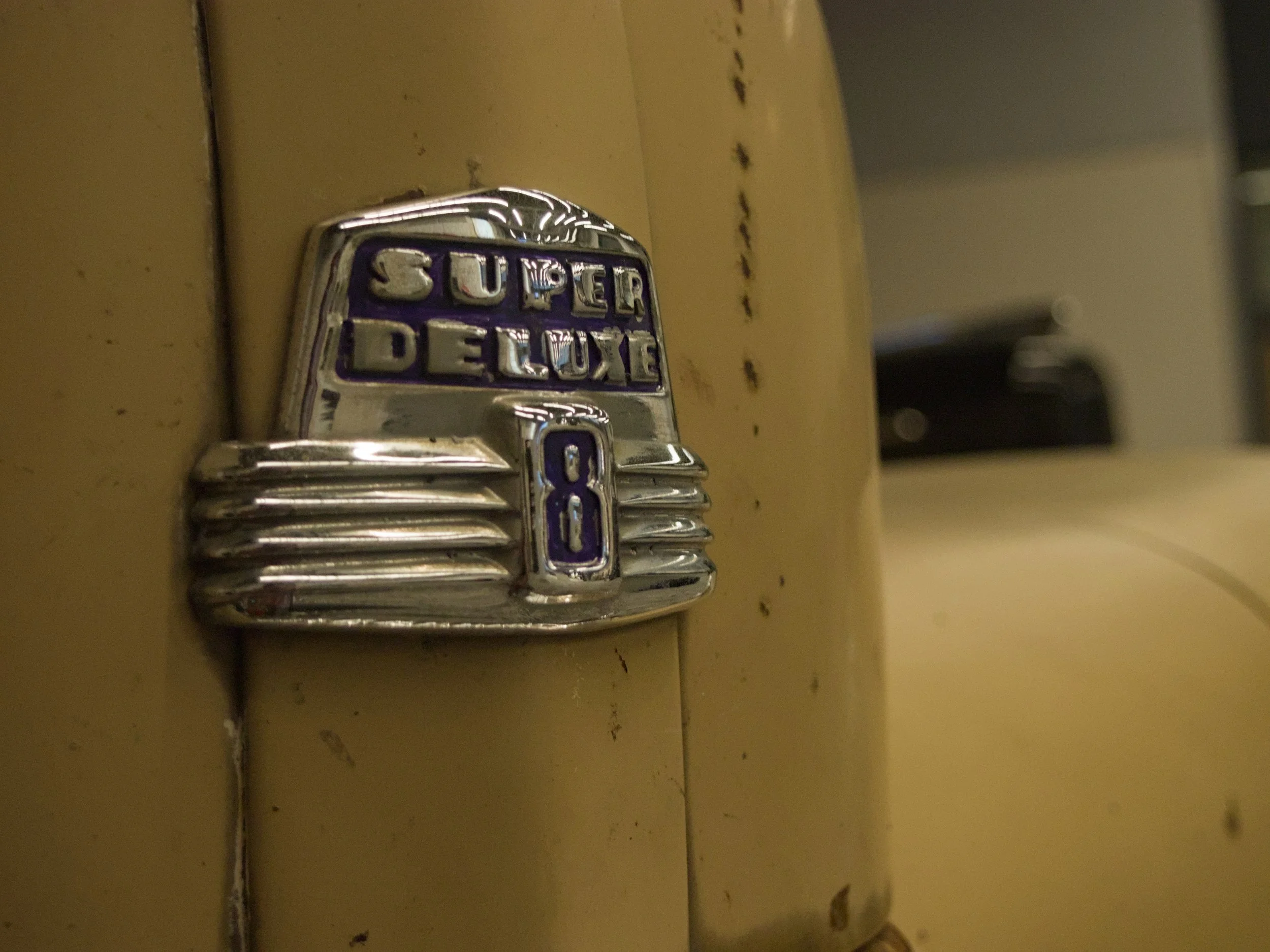


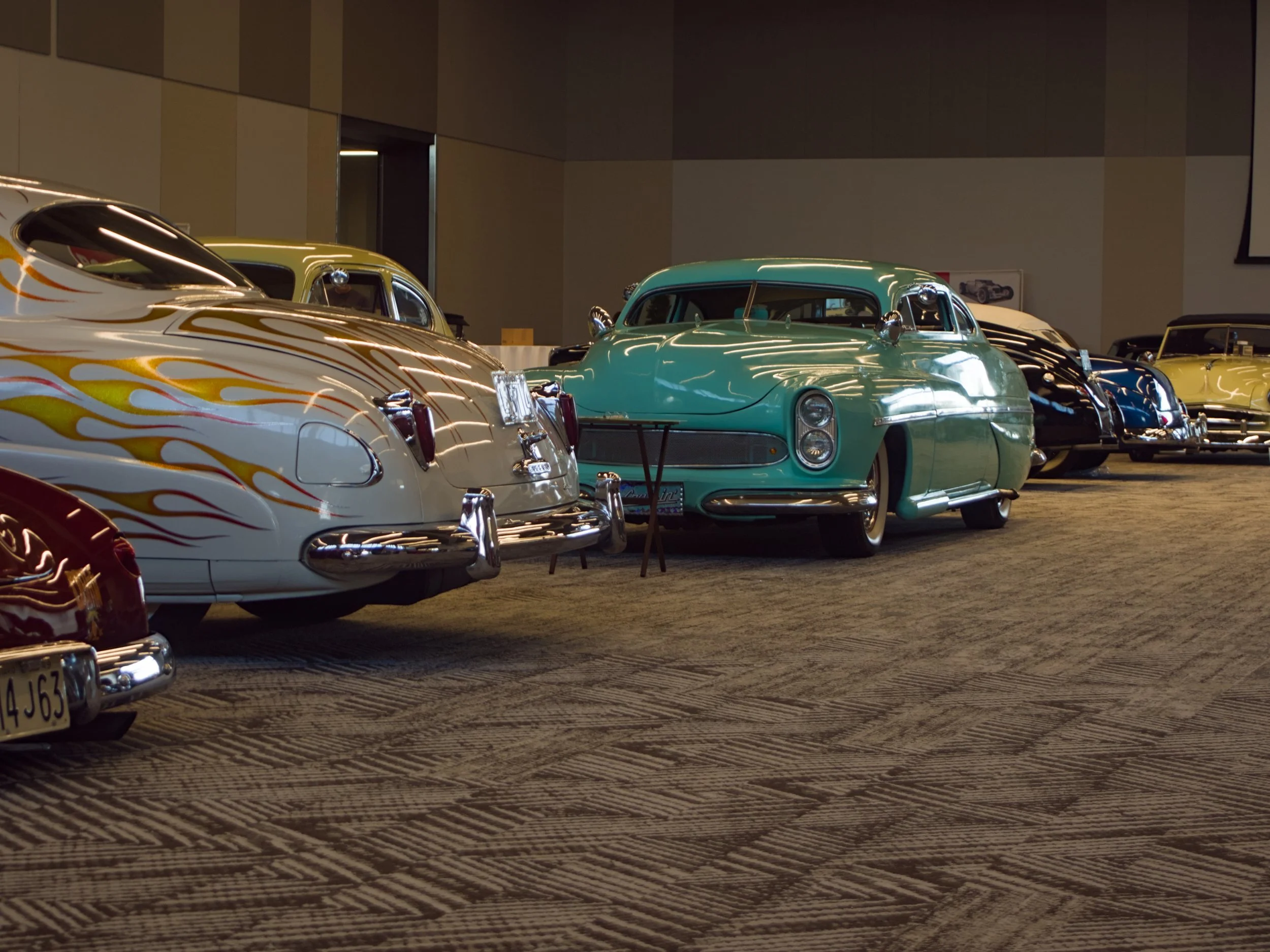

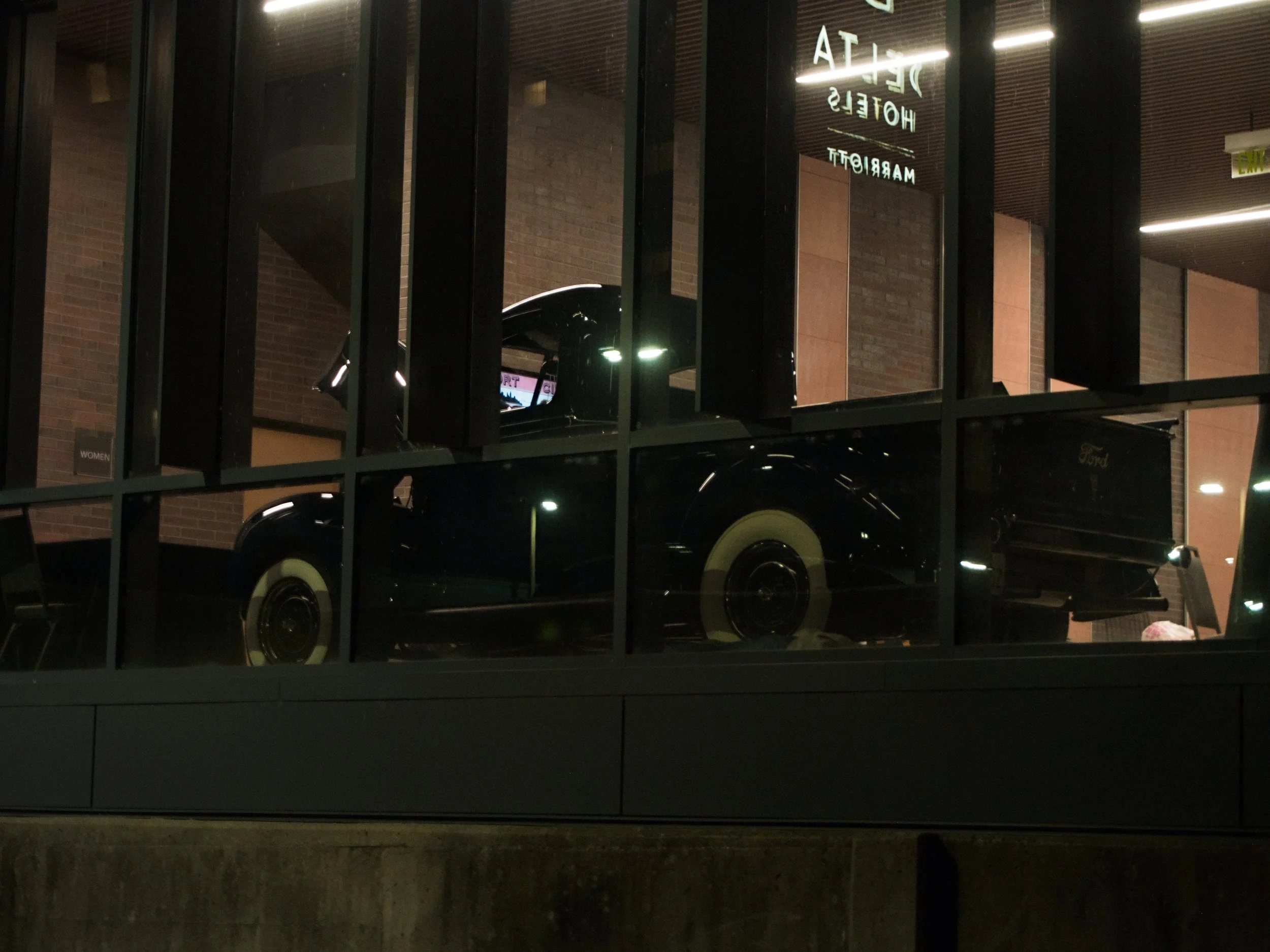


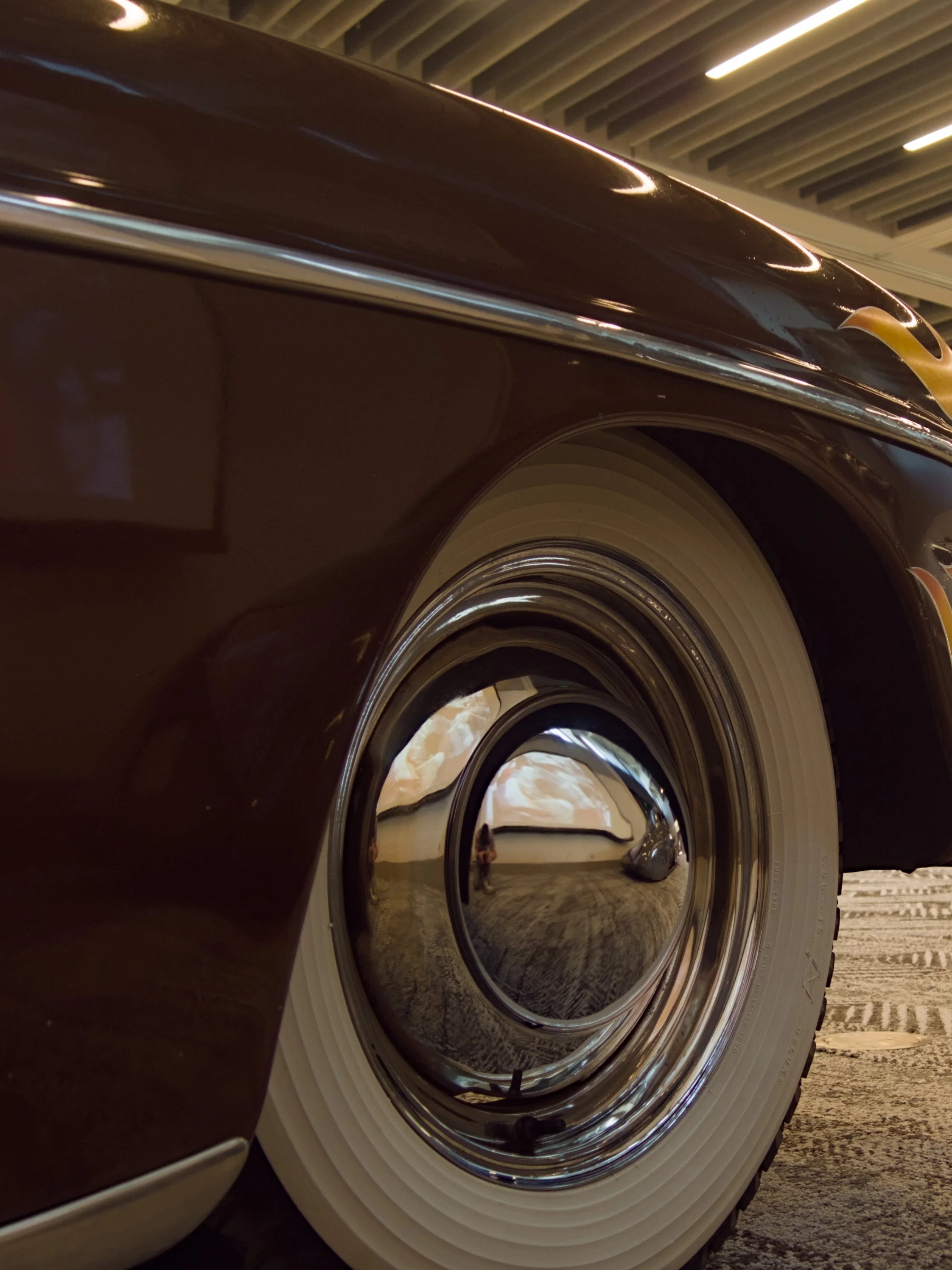

Last year’s show was one of the highlights of my year! Like many shows in their first year, a lot rides on every moving part and person involved. Nobody wants to see a flop! The inaugural PCS was everything but a flop, but lets go back to the beginning and talk about how I got involved. I’ll sprinkle my favorite photos I shot over the course of the weekend in between.
Last year was my first foray into really cranking up an Instagram account. I spent my evenings scrolling and following when I ran across talk of this show happening for the first time that year. I was intrigued, and since Muskegon, MI is semi-local, I reached out to Brandon Morrison who put on the show asking if he had anybody to cover video of the show. He got back to me saying there were a couple photographers coming, but nobody on video, and that he would be happy to have me there. I jumped at the opportunity!
I was trying to grow my YouTube presence and looking to branch out from videos of myself wrenching on my projects and get into doing some videos on local cars, owners, and events, so this was perfect!
I knew a few people in the local scene, but really not too many. It was a huge opportunity for me to cover the show, and it helped the show out huge too! I’m still pumping out content from November, 2024, because there were just so many good cars under one roof.
The cars are only half of the story, though. The people I got to know that weekend have already become friends, and I have made plans to be involved with the show again this year, so if you’re able to, try to make it out to Muskegon, MI for the 2nd Annual Port City Spectacular!
Watch the 2024 Port City Spectacular Video right here!
The Port City Spectacular | Indoor Traditional Rod and Custom Car Show | Muskegon, Michigan 2024
Big News, Upcoming Season
What’s New?
The RCCA is Born

Just last week I put into motion an idea I’ve had for a while: The Rod and Custom Creators Association or RCCA. Apparently this was a good idea because I could not keep up with the demand and growth of the page in the first week! The RCCA is a group of content creators producing videos about traditional/nostalgia hot rods and customs. I created this group to help people find this content all in one place, and to help lesser-known channels grow viewership more quickly. Follow @rodandcustomcreators on Instagram to learn more, and check out the growing list of YouTube channels by clicking the logo below.
New Video on YouTube
There’s a fresh one out this week; just a little wrenching on the 1941 Chevy coupe. I’m trying to get out into the cold barn once a week or so to make some progress on the car, and this time I wanted to see if the “rebuilt” Carter W-1 carburetor would run the engine! Check out the video below.
Subscribe while you’re over there!
Catch Me At These Shows in 2025
You can find me at this year’s Custom Car Revival in Indianapolis June 5, 6, and 7! I’ll be there to hang and shoot photos and videos of a ton of cool traditional style customs.
You’ll also be able to find me at Relix Riot at Gilmore Car Museum in August. I’ll likely be around Saturday, the 16th. If all goes to plan, I’ll be driving one of my old cars this year!
Don’t forget about The Port City Spectacular! This old school indoor show had its debut last November in Muskegon, MI, and is slated for another year, dates are TBD at this point.
Shooting Car Feature Videos
I’ve been pushing out some content about shooting the Yard Art Roadster video last year with the owner, Dan Bearman. It was honestly one of the highlights of my year, and I think Dan has said the same thing goes for him. I was able to prove my concept of doing a “car and owner feature” type video, and I’m really excited to do more this year while learning and improving my skills. I hoping to shoot 4-5 of these as the weather warms up, so keep your eyes peeled!
Watch The Yard Art Roadster video below.
Spread The Word!
Help others learn about Hard Luck Garage, what I’m up to, and, specifically, this newsletter. Share a link with a friend through a message!
I think I’m going to push more into writing and shooting some “mini articles” for this newsletter as a way to work on photography and journalism while getting real-world feedback as well.
Please leave a comment with your thoughts on anything you read here, or just whatever is on your mind.
Until next time,
Jon - Hard Luck Garage
Who am I, and why you should care?
Hi, I’m Jon. I run this little getup you might know as Hard Luck Garage. I would like to answer a couple questions with this first post. Who am I, and why should you care?
Who am I?
Let’s get into it! Some of these bits and pieces are a little open-ended, but that’s intentional. I’ve got to have something to talk about later!
Who am I? Well, I’m a guy in his 30’s with a passion for traditional hot rodding and custom cars. I enjoy long walks on the beach… ok, ok. Let’s not go there. I was brought up with a hopelessly automotive background. My Dad owned and operated a small used car sales and service lot, and the end result was inevitable for me. I was his firstborn and only son, so I spent a lot of time around him and around cars in general, and eventually ended up turning wrenches in the family business.
Growing up, Dad always kept two old cars around: a ‘28 Model A sedan, and a ‘71 Olds 442 W-30. As some of you may know, the Model A is still with me today, which means, unfortunately, Dad is no longer with us. That’s a story for another day. These cars always had my attention. As I got older, I would always bug him about getting them running and driving again, which we would eventually go on to do. More on this if you stick around!
Let’s circle back to another crucial developmental point in my life that steered me toward the traditional. I was a magazine kid. I had every car magazine subscription I could get from the school magazine sale, but they were all modern day, new car magazines. In my early teenage years, my uncle gave me a stack of old Rod & Custom mags he had lying around, and I would sit in my little beanbag chair in the corner of my parents’ living room and leave no page unread. I was hooked! I have a tendency to be a purist when it comes to period correctness, or at least things that give the feeling of it, and the traditional hot rod scene satisfied a lot of things that were growing inside me.
As life went on, I found myself in my twenties with several friends older than I was who were involved in traditional hot rodding in one way or another. They pushed me over the edge. I was able to get my hands dirty on some really cool builds, and build some lasting friendships and memories over the years. Believe me, I can get into these in more detail down the road here, too!
Why should you care?
I started Hard Luck Garage for a few different reasons:
There’s a huge local scene in West Michigan, and I want to showcase the locals. I want to put the West Michigan traditional car scene on a pedestal and show off what’s going on in this part of the world through video, photos, and writing.
I want to strengthen the existing community by putting out quality media that can be shared around, deepening personal connections with real people through cool old cars.
I want to produce accessible content that (I hope) inspires some younger people to pick up the torch of this hobby.
My current fleet of vehicles:
I plan to dive deep and update as I go on each of these, so without further ado, here are my three current relevant project cars:
1928 Model A Sedan

My plans are to keep this simple. 1940’s mild hop-up, ready to drive when I am!
1941 Chevrolet Business Coupe

Looking for an easy driver out of this car. It’s lowered, and that’s about it!
1930’s Jalopy

While it may just be a 1923 Willys Overland tub vise-gripped to a Model A chassis, I think this has great potential. I’m planning to keep the “build” 1930’s depression-era spec.
That’s all folks!
This got a little long, but I had to start somewhere! Thanks for reading, and keep your eyeballs right here for more!
Jon Van Oyen
Hard Luck Garage